Andrea Simon is the author of three books. Check back tomorrow for my review of Floating in the Neversink. In our interview, we discuss all three of her works, currently available on Amazon.
Q: Let’s start off with your most recent work. Can you sum up Floating in the Neversink in 20 words or less.
A sensitive Jewish girl comes of age during summers in the Catskill Mountains, interspersed with life in Brooklyn, from 1955-1961.
Q: You’re also the author of two other works. Can you tell us a little bit about them?
Bashert: A Granddaughter’s Holocaust Quest is a memoir/history evolving from my investigation into the fate of my relatives who remained in my grandmother’s Belorussian village of Volchin during the Holocaust. My visit to the village and region led to surprising discoveries that I call “bashert,” a Yiddish word for fated. I also learned about a little-reported massacre of 50,000 Jews in the nearby forest called Brona Gora. While the original hardcover of Bashert was published in 2002, a paperback version with a new Foreword was published in 2019.
Esfir Is Alive is a historical novel emanating from the research I did for Bashert, including a three-paragraph testimony from a 12-year-old Jewish girl who was the only recorded survivor of the Brona Gora massacre, having climbed naked out of the mass grave. Her story inspired me to imagine her life before, during, and after this horrendous experience.
Q: What inspires your cover art? As a photographer, do you prefer to use your own work for your covers?
Whenever I work on a book, I think visually of the cover. I may consult my photos for inspiration or take new pictures to help create an appropriate image. Sometimes, I have reference material that supersedes my own work.
For Floating in the Neversink, I photographed the river and its iconic bridge. I selected one and used digital features to posterize it. Then I researched items from the 1950s, including a black inner tube, car, and shoes. A talented graphic designer inserted the items in the scene and selected an appropriate typeface. The aim of the photo was to evoke the time period and leave a girl’s items on the large rock without signs of the owner, leaving an air of mysterious disappearance.
For Bashert, I used an original photo of my Volchin cousin, Ester Midler, looking forlornly in the mirror. It was a natural choice for me as her beauty and innocence speak volumes.
For Esfir Is Alive, my publisher found the doll’s photo from an archive. The title character had a beloved doll, which played an important role in the book. I felt that the cover needed something more and added the yellow Jewish star to be placed on the doll’s chest. Several viewers have remarked that the cover catches them by surprise. This was the reaction I wanted.
Q: What inspires you to write about the Jewish experience?
Although my grandfather was an orthodox rabbi, I grew up in a secular household amidst a large multi-generational Jewish family. I was particularly close to my two grandmothers, both portrayed in Floating in the Neversink, and one in Bashert. They were both compelling and provocative women with fascinating immigrant life stories. I loved hearing the relatives’ banter and origin stories and was entranced by their Yiddishisms and other cultural manifestations. So, it was natural for me as a writer to describe the world around me, which happened to be immersed in Jewish culture.
Advertisements
Q: Of your three books, which was the most challenging to write?
Probably Bashert since people in the delegation I traveled with to Eastern Europe originally asked me to write the script for a documentary. Unfortunately, this was after the trip and we didn’t have all the necessary footage. My further research led me to more discoveries, including important historical documents, coupled with my personal revelations. I was not a historian and found it difficult to present all this information in a format that would not only do justice to the historiography of the era, but also to the autobiographical aspects of my research. I finally found a workable style that took on a natural rhythm, following a chronological path that alternated between the present and past.
Q: Your book, Bashert, a Granddaughter’s Holocaust Quest, is a memoir about discovering your grandmother’s Russian roots. What was your biggest takeaway from the experience of writing that book?
As far as my family goes, the biggest takeaway was the meeting of Hanna Kremer, a former Volchinite who lived in Long Island, New York, a train ride from me. Upon my visit, we discovered that she was the best friend of my murdered cousins. She had photos of them, and I had photos of her relatives.
As far as the history of the massacres in Volchin and Brona Gora, I was continually amazed at the monumental numbers of Jews torn from their villages and cities and murdered in mass pits while locals saw their neighbors disappearing and even participated in helping. Complicity is often the worst crime.
Join 5,500+ Followers
As a thank you for registering for our email list, you’ll receive free printable reading journal templates and a bonus 100 book reading list! Members of the email list also receive an exclusive discount code for my Etsy store: MapleStreetStudioHRS.
Q: What kind of feedback are you getting from readers on Floating in the Neversink?
I’m getting different feedback, depending on the age and experience of the reader. Those who grew up in the 1950s appreciate the cultural references. Those who are from Brooklyn recall their own similarities. But those who have summered in the Catskills have a palpable nostalgia that is very deep. I see in several Facebook Groups devoted to the Catskill’s heyday that the members have a longing for a time when intergenerational families spent time together, a time that is forever gone. I particularly appreciate the comments from younger readers who say they had a best friend or cousin, or who had a close relationship with a grandmother, and they can identify with Amanda, the protagonist.
Q: What is your next writing project?
I am now working on a collection of personal essays, Nobody Sprays Me inBloomingdale’s, that I have been writing for the past thirty-plus years. Some pieces are funny, others serious. They also vary in length and style. Putting them in a logical order, either chronologically or thematically, has been difficult. My writing group has been extremely helpful in making suggestions. Like many of my projects, it doesn’t fit neatly into an editorial category.
Advertisements
Q: What is on your current reading list?
I am currently reading Girl, Woman, Other by Bernardine Evaristo, which won the Booker Prize in 2019. Next on my list is the novel, The Glass Hotel by Emily St. John Mandel; and Dad’s Maybe Book, Tim O’Brien’s memoir.
Advertisements
Q: Can you provide your web address and links to your social media profiles for the audience?
I am very appreciative of Heidi for conducting this interview and for reviewing Floating inthe Neversink. I hope that Heidi’s followers will want to read this book and/or my others. We authors often work in solitude, and I am always happy to read readers’ comments and share experiences.
This page contains affiliate links. This means for any purchase made, I receive a small commission at no additional cost to you.
By: Andrea Simon In Floating in the Neversink, author Andrea Simon transports her readers to 1950s Brooklyn where we meet 9-year-old Amanda Gerber. Mandy, as she’s known to her friends and family, is faced with a summer away from her best friend, Francine as her family heads to her grandmother’s summer home in the Catskills.…
More Authors to Meet:
Interested in working with me on an interview? Complete the form under Contact Me. I’ll be in touch within 48 hours. I look forward to working with you!
Eunice Blecker is originally from Baltimore, Maryland and is a long-time member of the Jewish Genealogy Society of Greater Washington. Her novel, Shavlan, was published in 2018. Q: Can you sum up Shavlan in 20 words or less? Shavlan is a historical novel about the author’s maternal grandmother during the fall of Tsarist Russia and…
Julie Zuckerman is the author of The Book of Jeremiah, released in 2019. Her short stories and non-fiction work have also appeared in several publications. Q: Can you sum up The Book of Jeremiah in 20 words or less? Jumping backwards and forwards in time, the book explores the pivotal experiences in the life of…
In honor of the 30th anniversary of his book, Dancing on Tisha B’av, I had the opportunity to interview Lev Raphael. Originally published in 1978, his book still resonates with today’s audience. Q: Can you sum up Dancing on Tisha B’Av in 20 words or less? The stories deal with the legacy of the Holocaust,…
Holly Sortland’s debut novel, Uri Full of Light, is now available on Kindle and in paperback, on Amazon. It’s on my current reading list. Check back next week for my review. Q: Can you sum up Uri Full of Light in 20 words or less? Uri Full of Light is a story about a conversion,…
Join 5,500+ Followers
As a thank you for registering for our email list, you’ll receive free printable reading journal templates and a bonus 100 book reading list! Members of the email list also receive an exclusive discount code for my Etsy store: MapleStreetStudioHRS.
In A Place of Exodus, author David Biespiel shares the story of his experience growing up in a tightly knit Jewish community outside of Houston, Texas. But an argument with his rabbi causes him to move away from his idyllic childhood community. The book explores Biespiel’s journey as a self-proclaimed “retired” Jew and the many ways it shaped his understanding of home.
Biespiel’s exploration of the meaning of home gives the reader a lot to consider. Is home something that exists in time or in space? I found his discussion on how his own experience of leaving the place of his childhood to then frequently move over the next several years and how that experienced shaped his understanding of home really thought provoking.
The use of vivid language paints a beautiful picture of the Jewish experience of Biespiel’s childhood and youth. Anyone who has ever experienced a crisis of faith will find this story easily relatable.
Overall, I found this a captivating and multifaceted story told in beautiful prose. A Place of Exodus: Home, Memory, and Texas is scheduled for release on September 30th.
⭐⭐⭐⭐⭐
Rating: 5 out of 5.
Disclosure: I received an advanced copy of this book in exchange for my review.
This page contains affiliate links. This means for any purchase made, I receive a small commission at no additional cost to you.
Interested to learn more?
Read my interview with the author, David Biespiel:
David Biespiel is the author of twelve books. I am excited to have the opportunity to interview him regarding his twelfth, The Book of Exodus, ahead of its September release. Q: Can you sum up A Place of Exodus in 20 words or less? The book is a memoir that tells the story of the rise…
by
Join 5,500+ Followers
As a thank you for registering for our email list, you’ll receive free printable reading journal templates and a bonus 100 book reading list! Members of the email list also receive an exclusive discount code for my Etsy store: MapleStreetStudioHRS.
So many books, so little time! I am an avid reader and love to share recommendations with fellow readers. My choice in books tend to vary by my mood but some of my favorites are mystery, suspense, thriller, and humor. Get my reviews direct to your inbox every Wednesday and check back here for monthly…
So many books, so little time! I am an avid reader and love to share recommendations with fellow readers. My choice in books tend to vary by my mood but some of my favorites are mystery, suspense, thriller, and humor. Get my reviews direct to your inbox every Wednesday and check back here for monthly…
So many books, so little time! I am an avid reader and love to share recommendations with fellow readers. My choice in books tend to vary by my mood but some of my favorites are mystery, suspense, thriller, and humor. Get my reviews direct to your inbox every Wednesday and check back here for monthly…
Advertisements
Join 5,500+ Followers
As a thank you for registering for our email list, you’ll receive free printable reading journal templates and a bonus 100 book reading list! Members of the email list also receive an exclusive discount code for my Etsy store: MapleStreetStudioHRS.
More From the Blog
Join 5,500+ Followers
As a thank you for registering for our email list, you’ll receive free printable reading journal templates and a bonus 100 book reading list! Members of the email list also receive an exclusive discount code for my Etsy store: MapleStreetStudioHRS.
Ruth Rotkowitz was born in Brooklyn, New York in 1949 to Jewish Holocaust survivors who fled Vienna, Austria when Hitler came to power. This legacy has informed her research and her writing. Her debut novel, Escaping the Whale is currently available on Amazon.
Q: Can you sum up Escaping the Whale in 20 words or less?
A daughter of Holocaust survivors, haunted by her legacy of inherited trauma, struggles to suppress her problems, paying a price.
Q: What motivated you to write this book?
The image of a young woman leading a double life came to me. I envisioned someone dealing with a slew of emotional problems resulting from her family’s experiences in Europe during the war. She would be someone trying to lead a normal life and appear normal to others, while concealing the inner demons that torment her. I knew immediately that my protagonist would be the child of Holocaust survivors, and I saw this story as an opportunity to explore the issues facing this second generation.
Q: Did you draw any part of the story from real life?
Some of it. My main character works in a large urban high school, and I taught in such a place years ago. She works with pregnant students, and I tutored pregnant students on home instruction as well. I am also the daughter of survivors, and I have heard and read the stories of many, many survivors. I believe I absorbed these stories, to some degree. My novel takes place in 1980, and I vividly remember the powerful effect the Iran hostage crisis had on me and my peers, which is dealt with in the book. I also am familiar with the torment of mental illness, through personal experience and contacts.
Q: What was the most challenging part about writing this book?
When Marcia, my protagonist, begins to really go off the deep end, when the defenses she has used all along fail her and she faces a true mental breakdown, I found it very difficult and emotional to write that section. When it was done, however, I felt that I had climbed Mount Everest, so to speak.
Advertisements
Q: Who was your favorite character to develop?
Since this is a character-driven story, my favorite character to develop would be Marcia, the protagonist. To me, she is a fascinating mixture of so many different impulses. I wanted her to grow and change, to come to a crucial realization about herself. She became very real to me.
Q: What kind of feedback are you receiving on the book?
I am so gratified by the feedback I have been receiving, particularly because it is coming from a varied readership. Other children of Holocaust survivors tell me that they relate completely, which I expected. What came as a surprise has been the overwhelmingly positive response from readers with no personal connection to the Holocaust. I have heard from children of immigrants from various countries who have been trying to adapt to American life while feeling the pull of their family’s expectations. I have heard from people who have lived through or inherited from parents all types of traumas. I have heard from men who say it is not just a woman’s story, and from non-Jews who say it is not just a Jewish story. I have been told by readers who recall the Iranian hostage crisis that the novel brought back that period for them, and I have been told by younger readers who were not born yet in 1980 that they were really interested in learning about this event, and who compare it to our current preoccupation with news about the coronavirus.
The reactions have been amazing, and heartwarming.
Join 5,500+ Followers
As a thank you for registering for our email list, you’ll receive free printable reading journal templates and a bonus 100 book reading list! Members of the email list also receive an exclusive discount code for my Etsy store: MapleStreetStudioHRS.
Q: What inspires you to write?
I am inspired by people. People who struggle to overcome obstacles, people who face all types of challenges, people who may seem to be happy and confident who are really miserable and frightened, people who have difficulty being true to themselves — all people have a story, and there is something to be learned from anyone’s story.
Q: What are you hoping readers will take away from Escaping the Whale?
I hope readers will gain empathy for those who suffer, whether the suffering is physical or emotional. I hope they will recognize the far-reaching consequences of the horrors of the Holocaust. I hope they will realize that there should be no stigma to mental illness and anyone struggling with psychic pain must seek help. It is impossible and dangerous to try to conceal emotional pain. I also hope readers notice that symbolism I have employed in the novel draws on myth and folklore. Hopefully, this can open a window into an intriguing area of study, which can teach us so much about ourselves.
Q: What is on your current reading list?
I can’t wait to read The Wicked Sister by Karen Dionne. Her last novel, The Marsh King’s Daughter, which was considered a psychological thriller, was brilliant.
Advertisements
Q: What is your next writing project?
I am working on a prequel to Escaping the Whale. Questions from readers about my protagonist’s early life have given me the idea that it would be interesting to see where her problems originated.
I have also been working on a novel about an installation artist. I am fascinated by installation art and I find it a really courageous undertaking. This young lady will fall prey to a dangerous obsession, and will have to deal with what it says about her and how she can handle the fallout.
Advertisements
Q: Can you provide your web address and links to your social media profiles for the audience?
David Biespiel is the author of twelve books. I am excited to have the opportunity to interview him regarding his twelfth, The Book of Exodus, ahead of its September release. Q: Can you sum up A Place of Exodus in 20 words or less? The book is a memoir that tells the story of the rise…
Michelle Cameron’s novel Beyond the Ghetto Gates received silver in the Independent Publisher Book Awards, in the category of historical fiction. Q: Can you sum up Beyond the Ghetto Gates in 20 words or less? The clash of Jewish-Catholic cultures when Napoleon emancipated the Jews from their repressive Italian ghettos, embodied in two embattled women.…
Sharon Hart-Green’s debut novel, Come Back for Me, was released in 2017. She is also the author of Not a Simple Story and Bridging the Divide. Q: Can you sum up Come Back For Me in 20 words or less? A gripping story of trauma, loss, and the redemptive power of love set in the…
Rayna Sue Harris has had stories published in Jewish Heritage, Coastlines, and Tales Below the Frost Line. Today, Ms Harris is sharing more details about her debut novel, Bronx Heart, Jeruslam Soul. Q: Can you sum up Bronx Heart, Jerusalem Soul in 20 words or less? Tyra Miller, burdened by the demands of her family,…
Join 5,500+ Followers
As a thank you for registering for our email list, you’ll receive free printable reading journal templates and a bonus 100 book reading list! Members of the email list also receive an exclusive discount code for my Etsy store: MapleStreetStudioHRS.
Julie Gray has written for several publications, including The Huffington Post, Moment Magazine, and The Times of Israel. Her most recent book, The True Adventures of Gidon Lev is currently available on Amazon.
Q: Can you sum up The True Adventures of Gidon Lev in 20 words or less?
After liberation from a Nazi concentration camp, Gidon lived a life of adventure, from Prague to New York to Israel.
Oh that’s so formal sounding!
How about:
I met an elderly Holocaust survivor. He changed my life.
Q: What inspired you to write this book?
Gidon is the first Holocaust survivor I had ever met. He was so charming and full of life and energy, and he really wanted to tell his story. I am a writer and an editor, but I had never worked on a life story before, so I told Gidon that I couldn’t help him. But I was troubled. I knew that there are fewer than 200,000 Holocaust left living in this world – eyewitnesses to the greatest atrocity in human history. I felt I had an obligation to at least try to capture Gidon’s story. But I really didn’t know how to approach such a huge project. Then something unexpected happened – Gidon captured my heart! Even though we have a 30 year age difference, we became Loving Life Buddies, as I call us, and eventually moved in together! The book really came to life at the same time that our relationship blossomed, and Gidon’s story became very personal to me.
Q: What was the most challenging part about writing this book?
Simply overcoming my own fears and insecurities. I was very much cognizant that there were a couple of family issues that might be tough for Gidon’s family to read about much less be made public, so I ran those chapters past a cousin for a “sensitivity check,” if you will.
I also knew that I couldn’t write a book about a life lived largely in Israel and ignore the reality of the Israeli-Palestinian conflict. I was just terrified to get it wrong. Who could approach that topic objectively and make everyone happy from every point of view? I relied on two writer friends, Jo Roberts, the author of “Contested Land, Contested Memory” and Yossi Klein Halevi, author of “Letters to My Palestinian Neighbor,” who both gave me inspiration and support about how to write as sensitively and fairly on the topic as possible. I also read about the conflict extensively, and because I live in Israel, I have had many experiences with various peace initiatives in the West Bank. But you can see that there are a lot of landmines I could step on, in writing this book! So I was really paralyzed by doubt for a long time.
Finally, one day, having done my best, and my due diligence, I decided to take the biggest risk of my life and just write the book that I would want to read. When I gave myself permission to take that approach, I was freed up as a writer, and the pages began to flow.
Q: Did you find it difficult to work on such a personal story?
Oh, yes, it was challenging. For Gidon, many of these memories are just so painful. As his biographer and partner, I felt that I needed to walk him through these memories sensitively and responsibly, like an emotional guardian. When we visited the concentration camp where Gidon had been imprisoned, I was worried that it might even be harmful to Gidon, but he proved to be stronger than I was! For me, all of this was totally foreign; I had never actually seen that horrible sign “Arbeit Macht Frei” in my life. It stunned me. But for Gidon, the Holocaust has been a part of his reality for 85 years now, so he handled that visit with equanimity.
Also, Gidon has a big family, most of whom live in Israel, and between that fact and writing a book about his life, I sometimes felt a loss of my own identity, my own life, and my goals. I got a bit lost in the project. I had been working on my own memoir when I took The True Adventures on, so my own life went on hold, more or less – until something extraordinary began to happen – I realized that Gidon’s life had become a part of my life too. But yes, there were times when I would have to remind Gidon – and myself – that I too had a childhood, that I too had memories, a family, etc.
Advertisements
Q: What kind of feedback are you getting from readers?
So far, we are getting really warm, positive, enthusiastic feedback! I took a chance and used a “meta-narrative device” in the book. I think I can say with confidence that there is no other book about a Holocaust survivor that is written in the same way that The True Adventures was written. It’s not just Gidon’s story – it’s the story of writing the story at the same time. So the experiences Gidon and I were having as we were working on the book are included. I really wasn’t sure if that would “work,” but it was how the book felt natural to write. You could push me over with a feather when I see reviews coming in that appreciate that style and remark upon their enjoyment of it. We’ll see how the book is received in the wider world; I’m sure there will be readers for whom, subjectively, the book will not appeal. I understand that. I don’t love every book that I read, either. It’s tough subject matter, not everybody wants to read about the Holocaust, which really isn’t the center of the book but has, of course, influenced Gidon’s life very much. But so far, between friends and colleagues that I respect and perfect strangers leaving Amazon reviews, readers seem to be very touched and moved by the book.
Q: What inspires you to write?
Well, I hate to sound like such a cliched writer, but I can’t not write! I have been writing since I was a kid. Writing is how I sort out my thoughts and feelings. It’s how I try to make sense of things. I was a contributor to the Huffington Post for several years and have written articles for The Times of Israel, Moment Magazine, MovieMaker Magazine, and others. I have had two pieces of short fiction published in the Sanskrit Literary Magazine. So I’ve been writing for a long time. But to really sit down and get lost in the process of writing, I have to feel that there is something that I am writing that matters somehow – more than just wanting to share how I feel, that I have something to say.
Join 5,500+ Followers
As a thank you for registering for our email list, you’ll receive free printable reading journal templates and a bonus 100 book reading list! Members of the email list also receive an exclusive discount code for my Etsy store: MapleStreetStudioHRS.
Q: What do you hope readers will take away from Gidon’s story?
I want readers to zoom in on one man’s life – and then zoom way back out to the big picture. My favorite concept in the world is “context.” These days, everything seems to be viewed and understood in simple terms without context or backstory. It’s as if things, people, and events just drop out of the clear blue sky – whether that be politics or art or even personal feelings and beliefs. I talk about this in the book, when discussing the Israeli national identity. We are taught these stories about what it means to be French or American or Israeli, through our education, popular culture, even national anthems. We come to see ourselves as having this or that identity, and we forget to question this. We often see history as existing in these silos – this happened here and then that happened there – but we forget that things are happening – developing, evolving, changing – all the time, everywhere and that these things are connected, like ripples moving across a pond.
I want readers to appreciate the consequences and interconnectedness of history, of humans, of our decisions to act – or not act. I want readers to have the courage to examine their own beliefs and carefully curated narratives – which Gidon very much does in the book. We need to question just how we come by our beliefs, how our narratives serve us, and how that affects our interconnected webwork of families, communities, and societies.
One of the key questions that many people have, and I very much wondered, as I wrote the book, is how it came to pass that Germany fell under the sway of such a psychotic murderous maniac. But – it didn’t happen overnight is the thing. It’s a slow process. Again, things don’t just drop out of the clear blue sky. The Germans were conditioned for decades before Hitler’s rise, to greet him with open arms. It’s commonly believed that this was primarily because of the humiliation of Germany after the Great War. Yes, that made Germans desperate to hear a new leader promise that Germany would avenge this humiliation and become “great again.” But in truth, while that was a powerful motivator, antisemitism was rife in Germany and in Europe long, long before Hitler. In the same way that America is really having this painful reckoning with the racism that was baked right into the American experiment, people need to appreciate how deep the roots of antisemitism are. It didn’t start with Hitler, and it didn’t end with him, either.
Q: What is on your current reading list?
I am such a serial reader – or bibliophile, really. So I’m usually reading (or listening) to several books at once. At the moment, on Audible, I’m listening to Mythos by Stephen Fry and The Story of Human Language, a series of lectures by famed linguist John McWhorter, I just finished Notes From an Apocalypse by Mark O’Connell and I’ve been dipping into and out of An American Tragedy by Theodore Dreiser.
Advertisements
Q: What is your next writing project?
I’m returning to my memoir, which I was writing before I met Gidon, called They Do Things Differently Here, which is about moving from LA to Israel on the heels of grief and loss. It’s actually a funny book. But it’s gotten weirder because the America that I left in 2012 is now a totally different place.
Q: Can you provide your web address and links to your social media profiles for the audience?
Julie Zuckerman is the author of The Book of Jeremiah, released in 2019. Her short stories and non-fiction work have also appeared in several publications. Q: Can you sum up The Book of Jeremiah in 20 words or less? Jumping backwards and forwards in time, the book explores the pivotal experiences in the life of…
Holly Sortland’s debut novel, Uri Full of Light, is now available on Kindle and in paperback, on Amazon. It’s on my current reading list. Check back next week for my review. Q: Can you sum up Uri Full of Light in 20 words or less? Uri Full of Light is a story about a conversion,…
Sherry V. Ostroff is the author of two books, The Lucky One, is a memoir originally published in 2016, and Caledonia, a work of historical fiction was published last year. She is a winner of the Indie Diamond Book Award. Q: Can you sum up Caledonia in 20 words or less? Caledonia is the tale…
Rayna Sue Harris has had stories published in Jewish Heritage, Coastlines, and Tales Below the Frost Line. Today, Ms Harris is sharing more details about her debut novel, Bronx Heart, Jeruslam Soul. Q: Can you sum up Bronx Heart, Jerusalem Soul in 20 words or less? Tyra Miller, burdened by the demands of her family,…
Join 5,500+ Followers
As a thank you for registering for our email list, you’ll receive free printable reading journal templates and a bonus 100 book reading list! Members of the email list also receive an exclusive discount code for my Etsy store: MapleStreetStudioHRS.
Nikolaevsk-on-Amur was a peaceful, frozen hamlet in Eastern Siberia, isolated from the rest of Russia and its political unrest. Until the winter of 1920, when Bolsheviks found their way into the town, arresting opposition party members, business owners, foreigners, and Jews. This idyllic village was suddenly turned into a war zone. Ilya, a well-known and respected newspaper editor and lawyer is among those arrested and imprisoned, leaving his wife, Luba, alone to defend the lives of their young children and that of his mother.
Luba’s story is nothing short of heroic as she finds her life of comfort and privilege turned upside down when her home is billeted by Bolshevik invaders, making a mess of the home and laying waste to her family’s winter provisions. Seeking help from what friends remain to her, she is forced to hide her family in pigsties, an opium den, and an abandoned warehouse.
This work of historical fiction is based on the author’s own family history. The fictional character, Luba, was based on her grandmother, who survived the Russian revolution.
Luba’s tenacity and resourcefulness are really incredible. Living in a household with her domineering mother-in-law, who still very much takes charge of the day to day running of their household, with the assistance of servants who are tasked with preparing meals, cleaning, and caring for her children, Luba is able to live something of a charmed life. Her transition in the wake of the Bolsheviks invading her town and her home, is really remarkable. When faced with such challenging circumstances, she shows unbelievable strength.
I’ll close by saying I enjoyed the author’s use of vivid imagery and careful attention to historical accuracy. This is well-worth adding to your reading list.
⭐⭐⭐⭐⭐
Rating: 5 out of 5.
This page contains affiliate links. This means for any purchase made, I receive a small commission at no additional cost to you.
Join 5,500+ Followers
As a thank you for registering for our email list, you’ll receive free printable reading journal templates and a bonus 100 book reading list! Members of the email list also receive an exclusive discount code for my Etsy store: MapleStreetStudioHRS.
Thank you to everyone who submitted work for the August Short Story Feature Contest. The winning entry is: Becoming Italian…Or Trying To by Kyra Robinov A native New Yorker, Kyra is an author and lyricist. Her first novel Red Winter was inspired by the true story of her family and their escape from Red partisans…
So many books, so little time! I am an avid reader and love to share recommendations with fellow readers. My choice in books tend to vary by my mood but some of my favorites are mystery, suspense, thriller, and humor. Get my reviews direct to your inbox every Wednesday and check back here for monthly…
So many books, so little time! I am an avid reader and love to share recommendations with fellow readers. My choice in books tend to vary by my mood but some of my favorites are mystery, suspense, thriller, and humor. Get my reviews direct to your inbox every Wednesday and check back here for monthly…
So many books, so little time! I am an avid reader and love to share recommendations with fellow readers. My choice in books tend to vary by my mood but some of my favorites are mystery, suspense, thriller, and humor. Get my reviews direct to your inbox every Wednesday and check back here for monthly…
Join 5,500+ Followers
As a thank you for registering for our email list, you’ll receive free printable reading journal templates and a bonus 100 book reading list! Members of the email list also receive an exclusive discount code for my Etsy store: MapleStreetStudioHRS.
David Biespiel is the author of twelve books. I am excited to have the opportunity to interview him regarding his twelfth, The Book of Exodus, ahead of its September release.
Q: Can you sum up A Place of Exodus in 20 words or less?
The book is a memoir that tells the story of the rise and fall of a Jewish boyhood in Texas.
Q: What motivated you to write this book?
A Place of Exodus is my twelfth book. Like all my books, it explores questions of meaning: where we find it and what it offers us. The book also is something of a follow up (perhaps a prequel) to The Education of a Young Poet, which I published some years back, in which a couple of times I alluded to “a story for another day.” When I finished writing The Education of a Young Poet, as I have with all of my books, I began taking notes, pages and pages of notes, as a form of literary self-diagnoses in which I try to determine, what did I write and what didn’t I write? How had I included this and not included that? What had I left out, and why? I’m the sort of writer for whom the seed for the next piece of writing germinates in the negative spaces of what has come before, in the peculiarities of what was previously written, and not with abstraction, ideology, or philosophy. A book steers you, after awhile, after you’ve made dozens and dozens of decisions, toward a knowable horizon. The thing that surprised me, after writing The Education of a Young Poet, was, I’d written a book about how I became a writer but I didn’t write about the essential drama of my boyhood. You’d think if I was trying to answer the question — “How’d you’d become a writer? “— you’d write about your childhood. If I were Eudora Welty, I’d have written about Jackson, Mississippi, and the house on North Congress Street. I didn’t do that. And it troubled me. If the story of my childhood drama in Texas wasn’t part of the answer of how I became a writer, then what was it an answer to? To write about my childhood, I figured, I had to ask different questions. What would those questions be? I came to realize (after another experience, which I describe in the book, an unexpected reunion with childhood friends) that the questions I needed to ask about my situation in Texas, and leaving Texas, were something like: Why did you never come back? Why did you never come back to this place you’ve all but memorized, at least memorialized, in so much of your writing, in order to make yourself, at the very least, visible to yourself?
Q: Did you find it challenging to write such a personal story?
Writing about anything is challenging. When you write autobiographically — which I think is the case for all of my books so far, at least — one of the special challenges is, you are cultivating facts into metaphor. That kind of focus asks a writer to pay attention and be mindful of the patterns of existence that we all share. Also: Memories include other people, such that all the various particulars that make up what you’re writing about come from a shared consciousness of language and experience, of history and time, of the unknown and the mysterious, of the known and the learned. I guess one of the big challenges for me was intensifying my devotion to being alert to the ways my psyche interacts with my memories (or, the version of events I tell myself about the past), and I hope readers will detect that devotion as a triumph. I have devoted myself, in the process of writing this book, to being alert to who I am when I speak (the narrator, you might say), being alert to what my identity was, is, and is becoming, and being alert to locating the beauty, mystery, and community of my materials and navigating their implications. It has meant probing my imagination to the source. In that sense, writing this book has been a journey involving a series of transformations — because to write a anything (a memoir, a poem) is, above all, to change your life. And, no less important, to change someone else’s life, a reader. So the challenge is knowing that this book, like any book, is an offering, because each book contains (one hopes) insight. All of it is a challenge! Right?! In the end, when you offer t a book to the world, you are saying to readers, “Hey, look over here, I have discovered something.”
Q: Was there anything you learned or took away from the experience of working on A Place of Exodus?
I learned that too often we lose sight of the fact that the stories we tell ourselves about ourselves are always in need of a fresh reckoning.
Advertisements
Q: What was your inspiration for the cover art?
The painting on the cover is my own. It’s a detail of a larger work. It’s not literary of the big sky and bayou landscape of southwest Houston where I grew up, but suggestive of it.
Q: What kind of feedback are you receiving on the book so far?
Well the book officially comes out in September. So far, as I write this, there have been a half-dozen pre-publication reviews. All of them have been…well, ahem…glowing. Thankfully. Kirkus Reviews and Library Journal have given the book Starred Reviews. Jewish Week ran a big feature on it. I’m sitting down soon for an interview with Unorthodox, the podcast produced by Tablet magazine. I expect the other shoe to drop, mind you, and some reviewer will take exception. But, for now, I appreciate the enthusiastic, positive attention. And, I’m grateful for it.
Join 5,500+ Followers
As a thank you for registering for our email list, you’ll receive free printable reading journal templates and a bonus 100 book reading list! Members of the email list also receive an exclusive discount code for my Etsy store: MapleStreetStudioHRS.
Q: What inspires you to write?
More of a compulsion than inspiration in my case. And, as I describe above, I draw new material from what I’ve already worked on. From asking questions: What is still percolating that interests me? What is that shard of a detail on the cutting room floor I can’t quite stop thinking about? Two poems I published recently in the New Yorker, here and here came from that sort of methodology. Showing up at my desk with regularity and exploring what’s out there. As a writer you seek to blend your imagination with what you are both witnessing and imagining: As Polish poet Czeslaw Milosz says, the purpose of writing “is to remind us / how difficult it is to remain just one person.”
Q: What is on your current reading list?
I’m reading Marilyn Robinson’s novel, Home. But I think I need to re-read Gilead first to do so. I’m also reading Christian Wiman’s most recent book of poems, Survival Is a Style.
Advertisements
Q: What is your next writing project?
Good question. The pandemic has tired my brain — as it has for others. I’m grateful just to get through the day with accomplishing any work, and if I’m lucky some notes in a notebook. Most of the time I feel swamped with so many competing signals and information. I mean, this is my first global pandemic…so I’m without comparable experiences with which to orchestrate my thinking, and imagining, perhaps even dreaming. That’s draining, don’t you think? The world around us is experience so much chaos, so that’s no help either. The result is just raw intensity, and that makes focus come and go.
Q: Can you provide your web address and links to your social media profiles for the audience?
I appreciate you. Thank you for asking the questions and reading the books. You’re doing the kind of work that makes communities stronger and makes the world a better place.
This page contains affiliate links. This means for any purchase made, I receive a small commission at no additional cost to you.
By: David Biespiel In A Place of Exodus, author David Biespiel shares the story of his experience growing up in a tightly knit Jewish community outside of Houston, Texas. But an argument with his rabbi causes him to move away from his idyllic childhood community. The book explores Biespiel’s journey as a self-proclaimed “retired” Jew…
by
More Authors to Meet:
Interested in working with me on an interview? Complete the form on Contact Me. I’ll be in touch within 48 hours. I look forward to working with you!
Eunice Blecker is originally from Baltimore, Maryland and is a long-time member of the Jewish Genealogy Society of Greater Washington. Her novel, Shavlan, was published in 2018. Q: Can you sum up Shavlan in 20 words or less? Shavlan is a historical novel about the author’s maternal grandmother during the fall of Tsarist Russia and…
Julie Zuckerman is the author of The Book of Jeremiah, released in 2019. Her short stories and non-fiction work have also appeared in several publications. Q: Can you sum up The Book of Jeremiah in 20 words or less? Jumping backwards and forwards in time, the book explores the pivotal experiences in the life of…
In honor of the 30th anniversary of his book, Dancing on Tisha B’av, I had the opportunity to interview Lev Raphael. Originally published in 1978, his book still resonates with today’s audience. Q: Can you sum up Dancing on Tisha B’Av in 20 words or less? The stories deal with the legacy of the Holocaust,…
Holly Sortland’s debut novel, Uri Full of Light, is now available on Kindle and in paperback, on Amazon. It’s on my current reading list. Check back next week for my review. Q: Can you sum up Uri Full of Light in 20 words or less? Uri Full of Light is a story about a conversion,…
Join 5,500+ Followers
As a thank you for registering for our email list, you’ll receive free printable reading journal templates and a bonus 100 book reading list! Members of the email list also receive an exclusive discount code for my Etsy store: MapleStreetStudioHRS.
Thank you to everyone who submitted work for the July Short Story Feature Contest. The featured entry is:
The Cathedral Bell by Violetta Toth
About herself, Violetta says, “I consider myself a book enthusiast and budding author. i have written many short stories and other works throughout my life and career, but I have been waiting for the right opportunity to submit one of my stories for publishing.”
Violetta’s story was based on this writing prompt:
Please Enjoy
The Cathedral Bell
St Joseph’s Catholic school has always been the pride of our little town. Nicknamed the jewel in the crown by locals for its upstanding education and impeccable beauty. The school has survived decades of youthful shenanigans and today it’s home to many lively boys with boundless energy and curiosity. Eager to interact with each other, they participate in a myriad of team sports and occasionally play minor practical pranks on one another. They’re like feisty kittens ready to pounce with claws out, leaving a path of destruction in their wake.
Luckily the school was built outside of the main shopping precinct. Its location tucked away in the leafy woodlands, the childish antics of the teenagers out of sight and earshot from the unsuspecting world. And just as well, as St Joseph’s has its reputation to withhold in the community.
The devout locals congregate in the school’s cathedral every Sunday. The cathedral greets all visitors venturing onto the school grounds. Though dark on the outside, the cathedral stands out amongst the surrounding lush green trees and perfectly manicured lawns. Its modest exterior is deceptive, as the interior is a work of art. The afternoon sun beams through the high stained glass windows daily, illuminating the pulpit, like a personal endorsement from God. Its beauty and charm is overwhelming; from the artistic murals on the ceiling to the meticulous craftsmanship of the pews and the marble flooring. It’s a marvellous distraction from the chaos that ensues in the classrooms and main hall.
Today is like any other ordinary afternoon. All those destructive, rambunctious brats have finally left. Even the teachers have returned to the safety of their homes, leaving the classrooms and school building under lock and key.
Peace at last, is all I can think. The room is filled with serenity. No more heavy students sitting on me and leaning backwards, making me balance on my two hind legs. No more loud noises; no yelling, piercing whistles or guffawing. No more pencils and erasers bouncing off of me in an attempt to lend stationery items to their less responsible fellow students who had forgotten it at home…..again. No more suffering through the pungent smell of body odour, especially after a vigorous game of football during lunch hour. The boys usually unaware or disinterested in the invention of deodorant. Nevertheless the aroma of stale sweat still lingers, though less pronounced. Finally I’m able to begin to make myself comfortable, choosing to ignore the chewing gum on my back, even though it’s still moist and sticky. For some reason however, I am unable to feel completely at ease, as a terrible sense of foreboding washes over me.
By now you might have guessed who I am. Or rather what I am. I’m not human. I’m a wooden chair. I’m the type that the students take for granted. Scratching their initials into my skin, kicking my back when they seek someone’s attention and sometimes resting their dirty shoes on my lap.
Like I was saying, the day went by like any other. Until an unfamiliar rattle at the door breaks the silence of an otherwise ordinary afternoon. Has a staff member returned for a forgotten object? Or is someone breaking in? What do they want? What will they take? I try to soothe myself by picturing Brother Tom’s friendly face entering the room. He would find his notebook in the top drawer of the large teacher’s desk and breathe a sigh of relief. Then he would depart, locking up the room once again and leaving me to enjoy the slumbering hours of solitude.
As the door creaks open, Brother Tom is nowhere to be seen. In his place stands one of the boys, still dressed in his school uniform. The youthful perpetrator enters the classroom, key in one hand, tool chest in another. I’m filled with apprehension as he enters the room cautiously and walks slowly to the first row of chairs and desks. He slides his hand into the tool chest and pulls out a screwdriver, noticeably shaking. He is obviously nervous, but then why is he doing this? Is he like all the other louts who vandalize desks and throw litter on the floor?
He starts working on the first desk quickly, undoing a screw from the base of the seat. He is exerting himself into the work, struggling to twist each screw out of the furniture. He refuses to remove any of the screws, but instead unscrews them to the point where they are barely holding the furniture together. When he finishes disassembling the first desk to the point of almost collapsing, he carefully moves onto its accompanying chair. This destruction of furniture continues from one set of desks and chairs to another laboriously.
It seems like years have flown by when the callous intruder finally finishes working on the first row of desks and chairs. If you look closely you can see them leaning over, on the verge of annihilation. They’re as fragile as a new born baby and as worn as a senior citizen.
Now he begins working on the second row. Continuing to strain and occasionally grunting in exertion. The day draws to an end as dusk approaches. I feel the tension in the room mounting as the boy gradually draws closer to me. Fear pulses through every wood fiber of my being as I imagine the screwdriver twisting at my screws, disassembling me in a violent assault.
Join 5,500+ Followers
As a thank you for registering for our email list, you’ll receive free printable reading journal templates and a bonus 100 book reading list! Members of the email list also receive an exclusive discount code for my Etsy store: MapleStreetStudioHRS.
Advertisements
Soon enough he has finished the second row of desks and chairs. It’s now my turn. My doom has arrived. I’m not ready for him to start work on me. I can’t bare to watch his first violent blow, but I’m also unable to look away. I expect to see a smile of cruelty painted across his face, but the only thing visible are tears welling up in his eyes and a large teardrop rolling down his flushed cheek. His bottom lip quivers and he whispers words of disapproval to himself, clearly riddled with shame. He stops and leans against the wall next to me, unwilling to go on, flustered and angry. Has he come to his senses? Am I saved?
I hear the clock tower chime outside and glance at the clock on the wall. It reveals eleven o’clock. This tall young boy has to have been here for hours, about six hours to be precise.
I take another look at his conflicted features. I can see that he suffers from acute acne. Obviously he is just a young teenage boy, though tall, about six foot one. He is lanky and a little awkward. He runs both of his hands through his thick disheveled ginger hair, cradling his head in his palms like he’s defending himself from the onslaught of the cruel world.
Then I hear a noise coming from the front entrance. Someone else is entering the building. Perhaps this person will come to my rescue. The noise is still a fair distance away, but seems to be gradually and purposely nearing. The sound of footsteps on the marble hallway floor can be heard. There is more than one person approaching. Then the faint sound of distant whispers vibrate through the hall, like ghosts coming to haunt.
“Hey Harry”, the ghost whispers as he enters the room.
The young boy beside me is startled from his self-condemnation as he looks up in response.
“Who’s there?” the boy named Harry asks.
Suddenly there is another person entering the room. He crawls on his hands and knees, looking like an infant in his primitive state of mobility. He moves cautiously over to Harry. They talk briefly, planning their next course of action. The boy has come to help in the destruction and Harry acquiesces. The ghost signals to the doorway and a cluster of black figures enter the room, like looming shadows moving across the floor.
All the boys, except for Harry are decked out in black from head to toe. Even their faces are covered by black masks with eye holes. They look like thieves. In fact they are thieves, robbing the room of its perfection, as every screw had fit perfectly in its place once.
They get to work immediately. Have they no scruples? I think to myself in disdain. Harry advances towards me. I am completely aware of my vulnerability. He clasps my legs and begins twisting at my screws. The pain is agonizing. I’m paroxysmal as he unscrews hastily and then stops for short breaks to catch his breath. By the time he finishes, all of my screws seem to barely hold me in place, but I muster up all the strength I can find to stay upright as Harry makes his way to the neighboring desk.
Advertisements
At the stroke of midnight the group finishes their work in the room. The exultant gang of shadows rejoice in the success of their destructive mission, silently fist bumping each other. The only one not celebrating is Harry, who appears to be overcome with remorse.
Soon the black figures exit into the main hallway, where the celebrations continue with laughter as the boys high five each other with thundering slaps. The noise trails towards the exit until their presence is a thing of the past. A nightmarish past. Harry on the other hand, takes some time to sit and inspect the damage. He is slumped over in a corner, a picture of misery and exhaustion. Finally he picks himself up and flounders out the door, his feet scraping the wooden floor of the classroom, walking like a man on death row who is forced to drag a steel chain.
For the rest of the night the main hallway is filled with silence and our room is not disturbed again. There is no longer any comfort in that silence, in fact it almost seems eerie after we had been disturbed with such brutality. The only sound that can be heard is the uncomfortable creaking of desks, chairs and the whiteboard. Maybe because their screws were no longer tight enough to keep them still. I knew better though, as I myself was shaking from the fear of the return of Harry and the shadows.
The rest of the night passes without any further incidents and finally the morning rays of sun filter in through the blinds. A signal that the school community is about to come alive again. The chattering of excited students slowly starts to echo through the hallway. Before too long, the room is surrounded by groups of pupils shouting and laughing. I jump in dread when I feel the vibration of a basketball bouncing just outside the door. The jerk of my screws almost leading to my demise. Then I see the doorknob turn and I brace myself for the violent return of the shadow gang.
As my wooden comrades and I stand there in our weakened state, we are greeted by Brother Tom. Normally we take pleasure in his arrival, but today we stand unified in terror. I can feel my fragility, my legs swaying when the first student passes me. As a sea of students file through the narrow doorway, I sense the tsunami on the horizon. All the furniture is now straining to stay upright, unsure if the noisy chatter and laughing will be enough to end it all.
I see a boy place his hand on one of the chairs behind me, excitedly recounting the events of his weekend to his friend. A loud snap rings out. Screws shoot out and ricochet off the back wall. The wooden pieces of the chair plummet to the floor in an explosion. Then the matching desk collapses in despair. The war has begun and the first fatalities silence all of the humans. The destruction of the furniture takes centre stage, as everyone watches in astonishment. Another chair falls victim. The desk at the end of my row slowly shifts to an unhealthy position. I watch and wait to bear witness to its fatal end, but this desk is proud, being the oldest desk in the room, a veteran. It refuses to give up hope.
Join 5,500+ Followers
As a thank you for registering for our email list, you’ll receive free printable reading journal templates and a bonus 100 book reading list! Members of the email list also receive an exclusive discount code for my Etsy store: MapleStreetStudioHRS.
A small boy in the corner breaks out in an evil grin as his eyes flicker from one side of the room to the other, girding himself for the havoc he’s about to wreak. He dashes between two rows, slamming the palm of his hand against desktops and backrests. The other students catch on quickly and scurry around the room, joining in the escapade, knocking over desks and chairs. They even stop to give assistance to any furniture that refuses to fall. In all the commotion, Brother Tom takes a step backwards in shock, trying to distance himself from the war zone. As he leans on the large teacher’s desk, both the desk and his body crash to the ground, closely followed by the whiteboard. The Brother’s left hand breaks his fall while his right hand shoots up to cover his heart. I watch Brother Tom in distress. I can see his horror-stricken expression and his chin trembling. Then a boy races past me, knocking me over in glee with a purposeful shove. Lying on the floor I hear the continuation of the destruction as the furniture falls like bombs being dropped on a city. Soon everything is flat on the floor. The only thing to be heard now is Brother Tom’s sobbing and desperate gasps for air. Then everything turns black.
I am aroused by students and teachers assembling the furniture once again. It feels good to be reassembled although I still feel a bit woozy from the fall. It takes a whole day to put the room back together again and though we are roughly placed in our original spots, a couple of desks and a chair are unable to make a full recovery from the tragedy. They are replaced by younger unsuspecting furniture, eager to serve their purpose, but oblivious to the deadly risks they are about to undertake by being here. The reality is that the room can never be restored to its original glory. Nothing is the same anymore. Now when a student sits on me, I creak like an archaic piece of furniture. We have all become antiquated items.
Also, Brother Tom never returned again. There was an announcement over the loudspeaker that he had retired, but everyone knows better. A number of rumours have done the rounds. A boy sitting on me told his friend that the teacher had a nervous breakdown that day. Another boy in front of me piped in on their conversation to reveal that the Brother had a heart attack and passed away. Neither story would surprise me. To this day I can’t erase the image of him lying on the ruins of his desk; a destroyed person.
That fateful day changed St Joseph’s school forever. There is no more serenity to be found in student-free afternoons anymore. Instead I stand there, lopsided, staring at the door. We all do. We all anticipate the return of a ginger-haired boy with a tool chest. He’d destroy the room again, but this time it wold be irreparable. I’m sure many teachers and students would share this fear as well. Because of that cruel fateful act of destruction, our room will now live in fear forever. The school has been scarred. And the cathedral bell rings out every hour, like trumpets honoring fallen war victims, both wooden and human.
This page contains affiliate links. This means for any purchase you make, I receive a small commission at no additional cost to you.
Join 5,500+ Followers
As a thank you for registering for our email list, you’ll receive free printable reading journal templates and a bonus 100 book reading list! Members of the email list also receive an exclusive discount code for my Etsy store: MapleStreetStudioHRS.
Thank you to everyone who participated in the April Short Story Contest! The winning entry is: The Unexpected Vacation by John Scott John’s entry is based on this visual writing prompt: Please Enjoy The Unexpected Vacation By John Scott Tom and Kathy had met their freshman year of high school. Tom was brilliant beyond his…
Thank you to everyone who submitted work for the June Short Story Feature Contest. The featured entry is: Riptide by Rylee Alexander Rylee is a thirty-something-year-old author from Central New York with big dreams to travel. She has a husband, two boys, and a dog, and spend what little free time she has reading, and…
Enter The Monthly Contest
Each month the site hosts a short story contest. It’s a unique contest because each month, participants are challenged to craft a short story based on a visual writing prompt. Up to two selected entries receive a feature guest post here on the site. There is no fee for entry. For full contest details and to see the writing prompt, visit the Contests page.
So many books, so little time! I am an avid reader and love to share recommendations with fellow readers. My choice in books tend to vary by my mood but some of my favorites are mystery, suspense, thriller, and humor. Get my reviews direct to your inbox every Wednesday and check back here for monthly features.
Authors, are you interested in having your book reviewed? Interested in an interview about your work? Visit Contact Me to complete the form. Requests receive a response within 48 hours.
This page contains affiliate links. This means for any purchases made, I receive a small commission at no additional cost to you.
A Tale of Two Shtetls
By: Elissa Allerhand
Meir is a child protege, growing up in a Ukrainian shtetl who will one day succeed his uncle as the Rebbe. A great scholar from a young age, he is also gifted with empathy and a natural leadership. As evidence when he convinces his ailing father to take in an elegantly dressed woman running from her past, seeking refuge from the Russian Royal Court. Meir faces challenges as he prepares for his future role, including jealousy from his cousin, Gershon, who is also a nephew to the great Rebbe.
This work of historical fiction paints an interesting picture of shtetl life and the culture of the Hasidic movement. Meir is faced with a future that has already been decided for him and involves a difficult path with great expectations. I found myself rooting for Meir’s cousin, Gershon, to see past his jealousy and find his own path. The love story between Meir and Rivka is really lovely.
A Tale of Two Shtetls gives a vivid and realistic picture of life of Jews living in Ukraine and Russia in the 18th Century. One gets an appreciation for the dangers of living in a highly antisemitic environment with frequent pogroms. The story is quickly paced and nicely written. The paperback edition has a few editing issues where paragraphs are repeated in a few places, which detracted from the story a little. But overall, this was an enjoyable read.
[Updated] Since this review was originally published, the author has corrected the editing issues noted. As a result, I have updated my rating.
⭐⭐⭐⭐⭐
Rating: 5 out of 5.
Shavlan
By: Eunice Blecker
Based on true stories past down to the author by her maternal grandmother, Shavlan tells the story of Sarah Taube against the backdrop of life in early 20th century Russia. The story follows Sarah Taube’s life of love, loss, faith, and hope.
Sarah Taube’s story is an important depiction of life for Eastern European Jews in this particular time period. This was not an easy time to be alive. The story portrays Sarah Taube’s evolution from innocent young girl to strong, resilient wife and mother. Her life has its share of tragedy and loss yet she does what is necessary for the survival of her family.
The love story between Sarah Taube and Charles is so sweetly written. Their enduring love, in spite of all the difficulties they face is truly beautiful. Sarah Taube’s independent spirit is passed down to the next generation, in her daughter Ruchel who insists on blazing her own trail in life.
This is a lovely story and an enjoyable read.
⭐⭐⭐⭐
Rating: 4 out of 5.
Join 5,500+ Followers
As a thank you for registering for our email list, you’ll receive free printable reading journal templates and a bonus 100 book reading list! Members of the email list also receive an exclusive discount code for my Etsy store: MapleStreetStudioHRS.
Judenrein
By: Harold Benjamin
A white supremacist movement has taken over America. Jews have been rounded up, striped of their property and placed in ghettos. Zack Gurevitz is a former Green Beret with a difficult past who has turned his back on the faith that turned its back on him. Until his help is needed to stop a terror attack set to place his people at risk. He hesitantly agrees to help but finds himself caught up in something much worse than anyone originally suspected.
This dystopian thriller captured my attention from the first chapter and didn’t let go to the last page. The story is fast-paced and will keep you guessing at who can be trusted. The plot is incredibly timely, to the point of almost prophetic, and a reminder that those who “fail to learn from history are destined to repeat it” (Churchill). The writing is incredibly powerful and vividly descriptive. Zack Gurevitz is an interestingly complex protagonist struggling with addiction and a difficult relationship with his faith. He’s not your typical, clean cut, hero which only made me root for him more.
This one goes on my ‘must read’ list.
⭐⭐⭐⭐⭐
Rating: 5 out of 5.
Advertisements
Uri Full of Light
By: Holly Sortland
Uri Geller is a high school junior, trying to adapt to life in South Dakota when his father chose to take a job in the local hospital, transferring his family from their Modern Orthodox community in Pennsylvania. It’s a challenging transition for him but all of that changed when he met Hannah Hagen at a football game, in 1996.
Hannah has her own challenges, coping with life with her terminally ill father and trying to get past a toxic relationship with her ex-boyfriend. Hannah becomes curious about Uri’s faith and cultural traditions. Eventually presenting her with a choice. Convert or lose her high school sweetheart.
Hannah completes her conversion, relocating to Uri’s hometown in Pennsylvania in order to assimilate into the Modern Orthodox community while Uri serves in the Israeli Defense Force. The two decide to begin their married life in Israeli during the terrorist bombings in the early 2000s.
This is Holly Sortland’s debut novel and I can’t wait to read more from her. Uri Full of Light is a moving and emotional story of love and loss. I appreciated the depiction of Uri’s life in South Dakota, trying to fit in in a secular school while still trying to maintain his observance of his faith. The relationship is between Uri and Hannah is truly heartwarming in its innocence.
I found the description of Hannah’s conversion experience very relatable. It’s a deeply personal journey that can be incredibly lonely as a person straddles two worlds, not feeling like she was really quite Jewish yet but not who she used to be either. I got goosebumps reading of Hannah’s mikvah experience.
Sortland creates an accurate image of the Jewish cultural experience in America while also tying in a difficult period in Israeli history.
So many books, so little time! I am an avid reader and love to share recommendations with fellow readers. My choice in books tend to vary by my mood but some of my favorites are mystery, suspense, thriller, and humor. Get my reviews direct to your inbox every Wednesday and check back here for monthly…
So many books, so little time! I am an avid reader and love to share recommendations with fellow readers. My choice in books tend to vary by my mood but some of my favorites are mystery, suspense, thriller, and humor. Get my reviews direct to your inbox every Wednesday and check back here for monthly…
So many books, so little time! I am an avid reader and love to share recommendations with fellow readers. My choice in books tend to vary by my mood but some of my favorites are mystery, suspense, thriller, and humor. Get my reviews direct to your inbox every Wednesday and check back here for monthly…
Join 5,500+ Followers
As a thank you for registering for our email list, you’ll receive free printable reading journal templates and a bonus 100 book reading list! Members of the email list also receive an exclusive discount code for my Etsy store: MapleStreetStudioHRS.
Rayna Sue Harris has had stories published in Jewish Heritage, Coastlines, and Tales Below the Frost Line. Today, Ms Harris is sharing more details about her debut novel, Bronx Heart, Jeruslam Soul.
Q: Can you sum up Bronx Heart, Jerusalem Soul in 20 words or less?
Tyra Miller, burdened by the demands of her family, coupled with her burning idealism and strong Jewish identity, sails to Israel for a year of adventure and soul-searching.
Q: What inspired you to write this book?
This question requires a multi-faceted response. In no particular order of importance, first, I dedicated the novel to my grandchildren. I am very grateful to my dear grandparents and their close-knit siblings for the kind Yiddishkeit they lived day to day. I wanted to preserve that sweet Yiddishe feeling and those values they instilled in me. What a gift for my grandchildren to be infused with a sense of pride and respect for their ancestors, for their goodness, for what they were able to achieve despite the hardships they faced. I want my grandchildren to be inspired by the lives that came before them and hopefully hold on to the Torah values that served our family so well.
Next, I love stories. I look at my life and I see all kinds of stories within. As a young student, I always took an interest in national and world events. My parents, sister and I engaged in lively discussions about the events of the day at our dinner table. At that time, New York City had six or seven newspapers and my father brought home all of them! I savored many events I lived through and even some I participated in: the Cuban Missile Crisis, the Struggle for Soviet Jewry, the Civil Rights movement and especially, the Six Day War. During the time period I write about- the Fifties and Sixties, I was privileged to meet, study, or protest with some well- known people in the Jewish world, and in a fictional way I wanted to describe the things that mattered. I wanted to preserve history in a very personal, intimate way.
Third, it is amazing to me, that an ordinary person like myself can bear witness to spiritual, uplifting, even bizarre coincidences that made a strong an impact on me. I felt the need to memorialize them in some fashion in the novel. Many years ago, my uncle, who took up oil painting as a hobby, told us of an eerie experience involving one of his paintings that was destroyed in a fire. However, what survived the fire was so fantastic, that in tribute to him, I incorporated the essence of that experience into the novel. I had to create new details to fit my characters, but the essence of the scene is authentic. There are more reasons why I wrote the novel, and I will leave those for the readers to discover.
Q: What research did you do when writing this story?
Regarding research, I had many of my own resources to fall back on. I kept a collection of newspaper articles from my youth (remember all those papers Dad brought home), as well as artifacts from my travels to Israel. When I visited my daughter at college, I took advantage of the university library to research the more detailed military aspects of the Six Day War.
However, it was challenging to separate what material I could and could not use in the novel itself. For instance, much of the material gave perspectives after the fact, Monday morning quarterbacking, so to speak. I could only use details that the characters could be aware of in their real time. So especially with the Cuban Missile Crisis, which is one of my favorite chapters, and with the Six Day War, I had to be very precise on which details from my research I could use.
Q: What was the most challenging thing about writing this book?
The most challenging part of writing this novel revolved around its structure. That took the most time, the most revisions and was the most frustrating. I alternated the back story with the present four times, each giving a different perspective and time frame. Every arrangement called for revisions to the narrative in terms of flow, accuracy and continuity. This was painstaking work and very tedious. Each version had its own nuance and merit and finally, in total despair, I told myself, “Choose one!” I did and I am happy with the result.
Another challenge, but to a much lesser degree, was the use of language of the times. Certain terms from the past outgrow their sensibility and usefulness. The challenge is to keep the characters authentic. For that to happen, they have to say things in their own words. I was able to put those terms in the voices of the characters, sometimes creating dialog where I wasn’t otherwise planning to. Characters can say what they want; it’s how they speak. The narrator’s voice is easier.
Advertisements
Q: What made you choose to incorporate the exchange of letters in the telling of this story?
Oh, the letters! I love authentic correspondence, I don’t mean e-mails and especially not texts, but long, beautiful ‘letters where the writer brings to life her experiences and feelings, and the reader is vested in the value of the time and experience of the writer. A running correspondence shows the nature of a relationship, the motivations of the correspondents.
When I was in Israel in1966-67, my mother and I wrote prolifically to each other. We each saved the letters we received. Thirty years after the fact, I forced myself to read this massive stack of letters stored in a carton in the attic It was painful to recall the heartaches, the loneliness, the illnesses, the fear and the war. I had to incorporate the letters in the novel because of all the history they contained. I almost consider them to be another character in their own right. I wanted the characters to exist within the history they were living through. I wanted to remind or show the reader what life was like in the Sixties- the details of American culture- the controversies over the books and television programs, the changes in religious life for Jews and Catholics alike. I wanted to show nuggets from the past that have influence in today’s society.
Tyra’s letters also portray a very different Israel then, and although the novel also depicts a love story between Tyra and Israel, she is blatantly honest about the way things were and the way she thinks they should be.
As a literary technique, the letters also open the door for the reader to discover some interesting character traits of Tyra and her mother Kaye. I spent much time separating the wheat from the chaff. By that I mean I had to excise all the personal nitty-gritty that absolutely does not belong in the novel. After massive condensing, I also had to create within the correspondence, new thoughts to push the storyline forward. One of my many goals in writing Bronx Heart Jerusalem Soul was to preserve the letters as a record for posterity. How could I discard such a treasure trove that represented the most seminal part of my life?
Q: What kind of feedback are you getting from readers?
I have been so gratified by the things my readers have said about Bronx Heart Jerusalem Soul. Some love the Bronx story because it reminds them of their experiences. Some love the descriptions of Israel because it brings back wonderful memories for them. Some have told me they learned so much about Judaism from the novel. But really the most common thread is that they are endeared to Tyra and Jessie, their difficult relationship and their individual struggles to find peace. They love Tyra’s prayers. And the very best, so many told me they cried at the end!
Join 5,500+ Followers
As a thank you for registering for our email list, you’ll receive free printable reading journal templates and a bonus 100 book reading list! Members of the email list also receive an exclusive discount code for my Etsy store: MapleStreetStudioHRS.
Q: What inspires you to write?
I think that any tiny thought, an image, a detail can be transformed into a story or poem. To me, the written word serves as a witness or a document of what was achieved by a creative or thoughtful expression. Even when I was a child, I filled notebooks with stories, and in junior and senior high school I was on the staff of the literary magazines and newspapers. It wasn’t until later on in life that I took writing seriously and I enjoyed learning the craft and experimenting with different genres. I have come to value my thoughts and what I have learned by living, and love to imagine scenarios that I can develop into something substantial. If you can think it, you can write it!
Q: Which character was the most challenging to write?
Definitely the most difficult character to develop was Jessie. She is the antagonist, yet she is the one that suffers the most. I had to find ways to make her empathetic and admirable in her own right, Although Jessie is the bane of the family, she certainly has some wonderful and strong qualities. That is why I had her leave the family and go to Mississippi on a voting rights drive.
Advertisements
Q: What is on your current reading list?
Right now I am reading King of the Jews by Leslie Epstein. I have a long list to get to but now that my next novel is in the infant stage, I won’t be reading fiction for a while. I don’t want to pick up any cadences, rhythms, imagery or habits from any other writers. I have to have a clear mind and concentrate solely on my own style and content. This leads right on to your next question.
Q: What is your next writing project?
I have been thinking about a particular idea for my next novel for a while, and just recently something happened that made everything click- almost as if it is beshert (destined) to commit to it. The generation that I spoke of in the beginning of this interview was a large one with many siblings on all sides. As a consequence, there are many first and second cousins. Happily after having been out of touch for a long time, we recently reconnected on Facebook. It turns out we are all interested in our background and plan to research and update our family tree. I am composing a questionnaire about our grandparents’ generation for my cousins to answer. The details they provide plus some extensive research ahead will help me write the prequel to Bronx Heart Jerusalem Soul, the story of the grandparents’ generation in1900 Europe and their adjustment and struggles in America. I am so excited.
Advertisements
Q: Can you provide your web address and links to your social media profiles for the audience?
I enjoy getting feedback from my readers. I give presentations to various groups and facilitate book club discussions. Feel free to contact me on Facebook.
Q: Any closing remarks?
In closing, I want to thank you, Heidi, for the opportunity to talk about Bronx Heart Jerusalem Soul. Be well and safe in these crazy times.
This page contains affiliate links. This means for any purchase made, I receive a small commission at no additional cost to you.
Advertisements
More Authors to Meet:
Interested in working with me on an interview? Complete the form on Contact Me. I’ll be in touch within 48 hours. I look forward to working with you!
In honor of the 30th anniversary of his book, Dancing on Tisha B’av, I had the opportunity to interview Lev Raphael. Originally published in 1978, his book still resonates with today’s audience. Q: Can you sum up Dancing on Tisha B’Av in 20 words or less? The stories deal with the legacy of the Holocaust,…
Holly Sortland’s debut novel, Uri Full of Light, is now available on Kindle and in paperback, on Amazon. It’s on my current reading list. Check back next week for my review. Q: Can you sum up Uri Full of Light in 20 words or less? Uri Full of Light is a story about a conversion,…
Sharon Hart-Green’s debut novel, Come Back for Me, was released in 2017. She is also the author of Not a Simple Story and Bridging the Divide. Q: Can you sum up Come Back For Me in 20 words or less? A gripping story of trauma, loss, and the redemptive power of love set in the…
Sherry V. Ostroff is the author of two books, The Lucky One, is a memoir originally published in 2016, and Caledonia, a work of historical fiction was published last year. She is a winner of the Indie Diamond Book Award. Q: Can you sum up Caledonia in 20 words or less? Caledonia is the tale…
Join 5,500+ Followers
As a thank you for registering for our email list, you’ll receive free printable reading journal templates and a bonus 100 book reading list! Members of the email list also receive an exclusive discount code for my Etsy store: MapleStreetStudioHRS.
Michelle Cameron’s novel Beyond the Ghetto Gates received silver in the Independent Publisher Book Awards, in the category of historical fiction.
Q: Can you sum up Beyond the Ghetto Gates in 20 words or less?
The clash of Jewish-Catholic cultures when Napoleon emancipated the Jews from their repressive Italian ghettos, embodied in two embattled women.
Q: What inspired you to write this book?
My first novel, The Fruit of Her Hands, dealt with the rise of antisemitism in medieval times and includes some extremely harrowing scenes. I was looking for a happier story to tell – not always easy to find when you write Jewish-themed historicals! When reading Michael Goldfarb’s nonfiction book, Emancipation, I came across the story of Napoleon encountering the Jewish ghetto for the first time during his 1796-7 invasion of Italy. His reaction – to send Jewish troops to demolish the gate in Ancona, struck me as a fitting subject for a novel. The fact that no one else had tackled this episode of Jewish history made it perfect for me.
Q: What research did you do when writing this story?
As stated above, Emancipation was my starting point. But from there, I dove into dozens of books and other resources – about Napoleon himself, about Napoleon and the Jews, about ghetto life, and about Ancona, Italy – a city I’d never heard of and have not yet visited – as that was the first place Napoleon ordered the ghetto gates to be dismantled.
The fact that the novel takes place in Ancona gave me two substantial gifts. One was learning that Ancona was the word center of ketubah (Jewish marriage certificate) making at the time. I was stunned by the beauty of these illuminated documents and knew I had to use them as an essential part of the plot. The other was stumbling across the story of the miracle Madonna in Ancona’s cathedral – a portrait of the Virgin Mary that turned its head, wept, and smiled upon the congregation. There was a fascinating anecdote about Napoleon’s reaction when he saw the portrait which was irresistible. So the portrait plays a significant role in the storyline as well.
I generally devote about three months to intensive research – which includes not only books but Internet sources, visits to museums, viewing artwork from the period, and reading contemporary novels (a breeze this time, as I’m such a Jane Austen fan). I limit that time to three months to avoid jumping down the rabbit hole of research and just wanting to stay there – like the vast majority of my historical novel friends, I adore research! But of course, even when I’ve embarked on writing, I’m researching small details every single day.
Q: What was the most challenging thing about writing this book?
The end! I was incredibly fortunate in having fantastic beta readers for this novel, but it meant that I revised this book more than any other I’ve worked on. The beginning needed to be reworked several times, but the end of the novel proved particularly tricky. There were three possible options and – since I want to follow this novel with a second with the same characters – it needed to be open-ended and yet still satisfying for my readers. Without giving anything away, I can tell you that the first option was voted down vehemently by anyone who read an early version of the novel, the second option needed far more pages than I could devote to it (it was already a long book) and the third – which I arrived at only right before submitting to the publisher – was the last minute inspiration of my most dedicated beta reader, the son whom I dedicated the book to.
Advertisements
Q: Do you have any special connection to Ancona, Italy, where the story is set?
I actually had never even heard of Ancona before embarking on this novel. I only set the story there because it was the first place that Napoleon encountered the incarcerated Jews and decided to demolish the gates. And I still haven’t been!
In fact, my publicist landed me an assignment with a publication called TripFiction, in which I wrote about this city I’d never seen. As I conclude in that piece: “While I haven’t been fortunate enough – yet – to walk the steep, cobbled roads of Ancona, to visit the turquoise harbor, the magnificent cathedral, the Jewish graveyard, and the remnants of the ghetto, my own imaginings of the city have taken full possession of me. And while I’m certain the 21st-century harbor city will have changed from when Napoleon occupied it, I’m looking forward to the day when I can see these places with my own eyes.”
Q: What kind of feedback are you getting from readers?
I’ve been incredibly moved and flattered by all the positive feedback! A few of my aspiring novel students have told me that reading the book has provided them with a master class in writing, which is a huge compliment. The reviews have been excellent so far – though I know from experience with my first two books they may not stay so universally upbeat. I was thrilled when the Independent Book Publisher Awards (IPPYs) honored Beyond the Ghetto Gates with a Silver Medal. And perhaps most significant of all, I’ve been online via Zoom with several book clubs, Sisterhood groups, and others, and enjoyed some fantastic discussions about the novel – particularly about some of the themes: antisemitism, assimilation, and the place of women in society, both then and now.
Join 5,500+ Followers
As a thank you for registering for our email list, you’ll receive free printable reading journal templates and a bonus 100 book reading list! Members of the email list also receive an exclusive discount code for my Etsy store: MapleStreetStudioHRS.
Q: What inspires you to write?
Honestly, the answer to this question is: I can’t not. Double negative though that may be, I find I’m happiest when I’m imagining, plotting, writing, and revising – and frankly irritable when life prevents me from doing so. Back in the days when I was writing poetry (when my sons were young and I didn’t have time for anything longer), it was language that moved me, and it still does. But as I discovered when I wrote my verse novel, In the Shadow of the Globe, I’m really a storyteller at heart – the collection of poems tell a story and the book should be read from page 1 through to the end, which is not typical of poetry books.
In fact, I tried to write The Fruit of Her Hands as a verse novel at first – and the material simply refused to be shaped in that format. When I finally decided to honor the book’s intention and make it a full-blown historical novel, I realized this was what it was meant to be – and that I was meant to be a novelist. And I’ve never looked back!
Q: Which character was the most challenging to write?
My main character, Mirelle. I’ve labelled the issue I had with her as my “feisty heroine” problem – how to create a believable 18th century character whom 21st century readers will resonate with and root for. Mirelle was too passive at first. My beta readers almost universally commented that early-version Mirelle lacked agency. Hopefully, her struggle between her duty to her family and faith, contrasted by her personal desires and particularly her infatuation for a dashing young Christian soldier, found the appropriate balance both for her time and ours.
Advertisements
Q: What is on your current reading list?
I’ve several books on my TBR pile and am excited to read all of them. I’m a fairly eclectic reader, though of course I lean toward historical fiction. Here’s my current list: C. W. Gortner’s The First Actress: a novel of Sarah Bernhardt, Anne Tyler’s Redhead by the Side of the Road, Dara Horn’s Eternal Life, Jennifer Weiner’s Big Summer, and Natalie Jenner’s The Jane Austen Society.
And I’m embarking on research for the next writing project as well, so I’m reading several research books, including Nina Burleigh’s Mirage: Napoleon’s Scientists and the Unveiling of Egypt and J. Christophere Herold’s Bonaparte in Egypt.
Q: What is your next writing project?
The above may have given you a clue! Following his highly successful military campaign through Italy, Napoleon was charged with somehow harassing the British. He decided the best way to do this was by conquering Egypt and Israel and set forth in a bizarre expedition which included some 150 academics from a wide range of disciplines. I’m going to include my two young soldiers, Christophe and Daniel, on this journey, where they’ll face unforgiving desert sands, botched battles, plague, and cross-cultural love affairs. And, for my readers who have fallen in love with Mirelle, she and Daniel will keep their promise to one another and exchange letters.
Advertisements
Q: Can you provide your web address and links to your social media profiles for the audience?
Thanks so much for this opportunity, Heidi! I love connecting with readers and would be delighted to Zoom into any book clubs who want to discuss the novel. There is a certain irony in the fact that I wrote a novel about a form of social isolation – being locked behind ghetto gates – that was released at a time when we are all socially isolated from one another, albeit in a very different way. But at least technology allows me to visit readers from all over the country and even the globe!
This page contains affiliate links. This means for any purchase made, I receive a small commission at no additional cost to you.
More Authors to Meet:
Interested in working with me on an interview? Complete the form on Contact Me. I’ll be in touch within 48 hours. I look forward to working with you!
Eunice Blecker is originally from Baltimore, Maryland and is a long-time member of the Jewish Genealogy Society of Greater Washington. Her novel, Shavlan, was published in 2018. Q: Can you sum up Shavlan in 20 words or less? Shavlan is a historical novel about the author’s maternal grandmother during the fall of Tsarist Russia and…
Julie Zuckerman is the author of The Book of Jeremiah, released in 2019. Her short stories and non-fiction work have also appeared in several publications. Q: Can you sum up The Book of Jeremiah in 20 words or less? Jumping backwards and forwards in time, the book explores the pivotal experiences in the life of…
In honor of the 30th anniversary of his book, Dancing on Tisha B’av, I had the opportunity to interview Lev Raphael. Originally published in 1978, his book still resonates with today’s audience. Q: Can you sum up Dancing on Tisha B’Av in 20 words or less? The stories deal with the legacy of the Holocaust,…
Holly Sortland’s debut novel, Uri Full of Light, is now available on Kindle and in paperback, on Amazon. It’s on my current reading list. Check back next week for my review. Q: Can you sum up Uri Full of Light in 20 words or less? Uri Full of Light is a story about a conversion,…
Join 5,500+ Followers
As a thank you for registering for our email list, you’ll receive free printable reading journal templates and a bonus 100 book reading list! Members of the email list also receive an exclusive discount code for my Etsy store: MapleStreetStudioHRS.
Join 5,500+ Followers
As a thank you for registering for our email list, you’ll receive free printable reading journal templates and a bonus 100 book reading list! Members of the email list also receive an exclusive discount code for my Etsy store: MapleStreetStudioHRS.
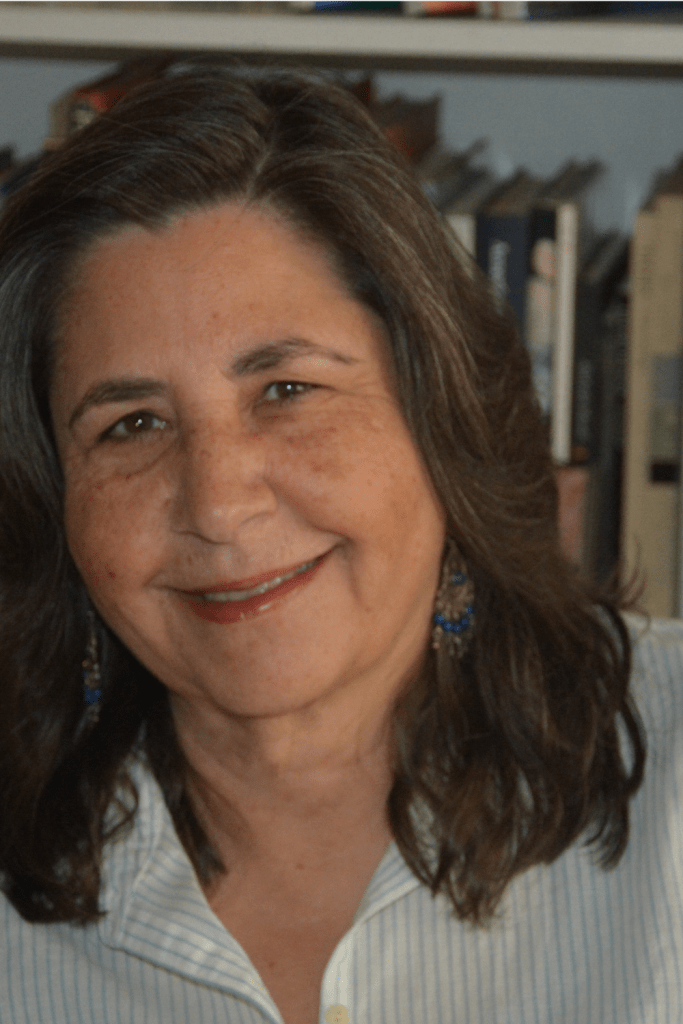


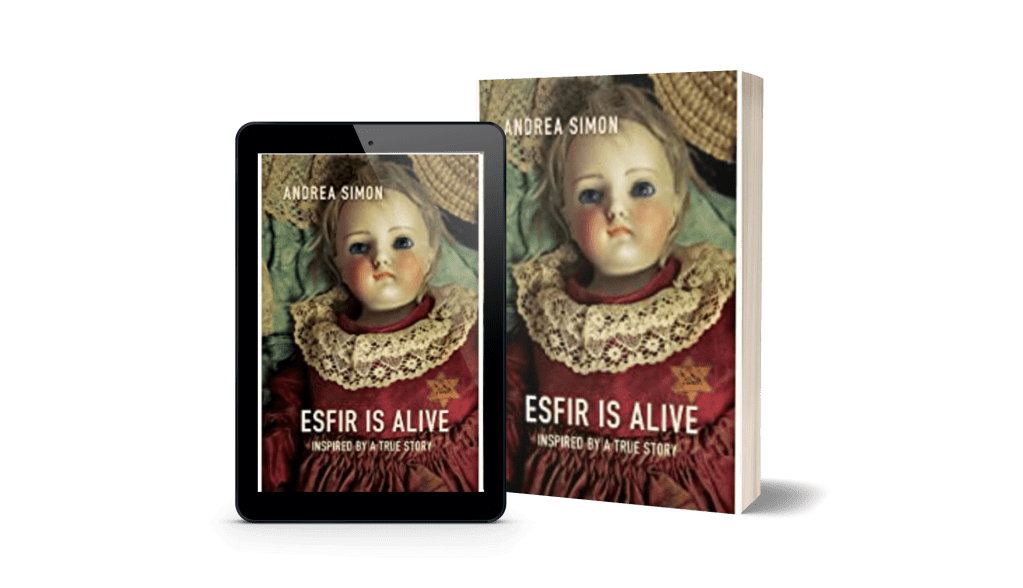
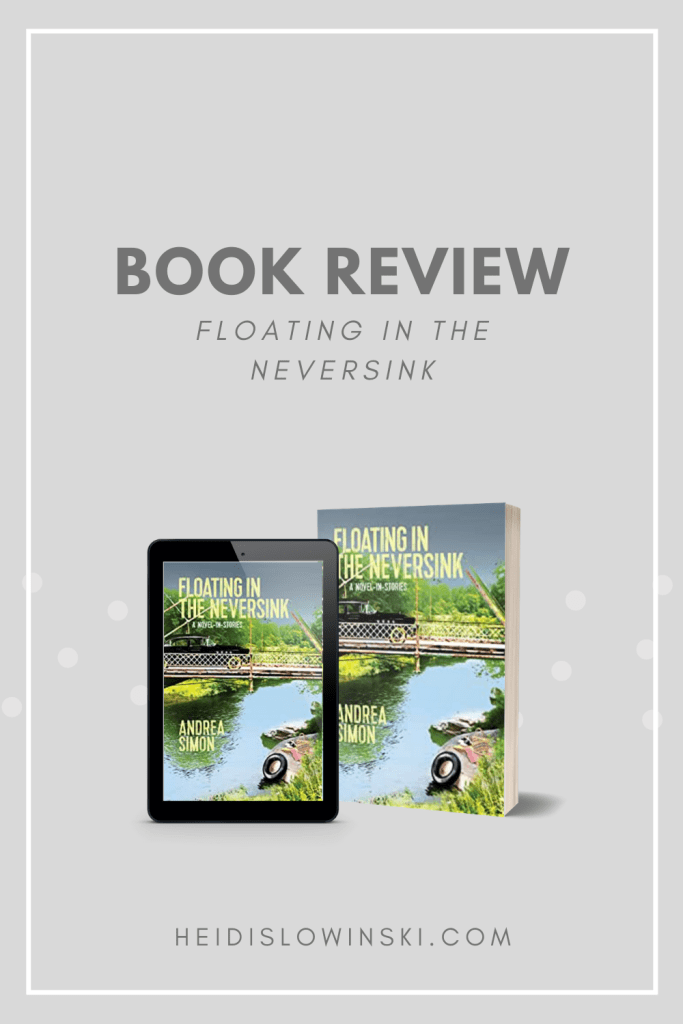






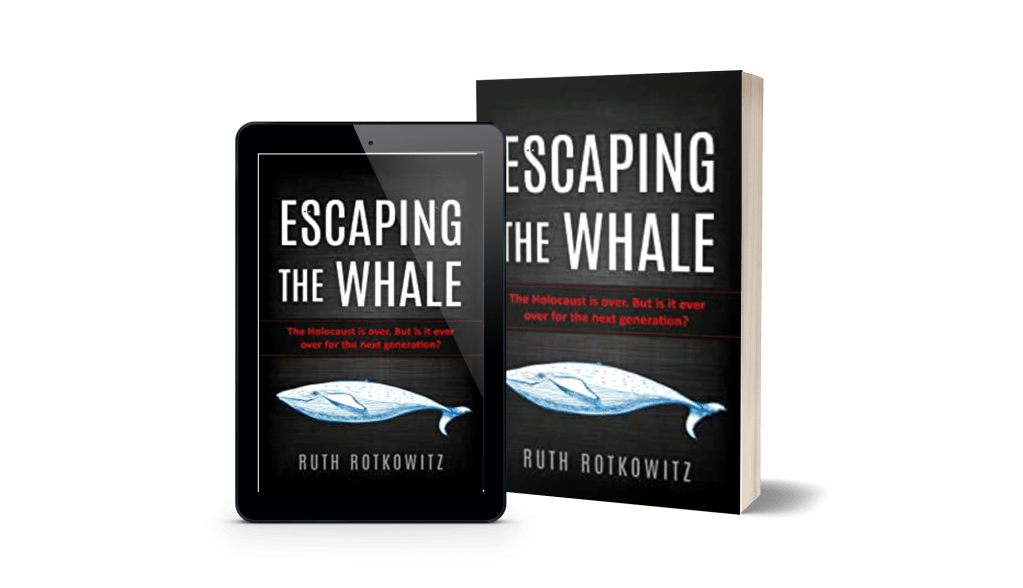

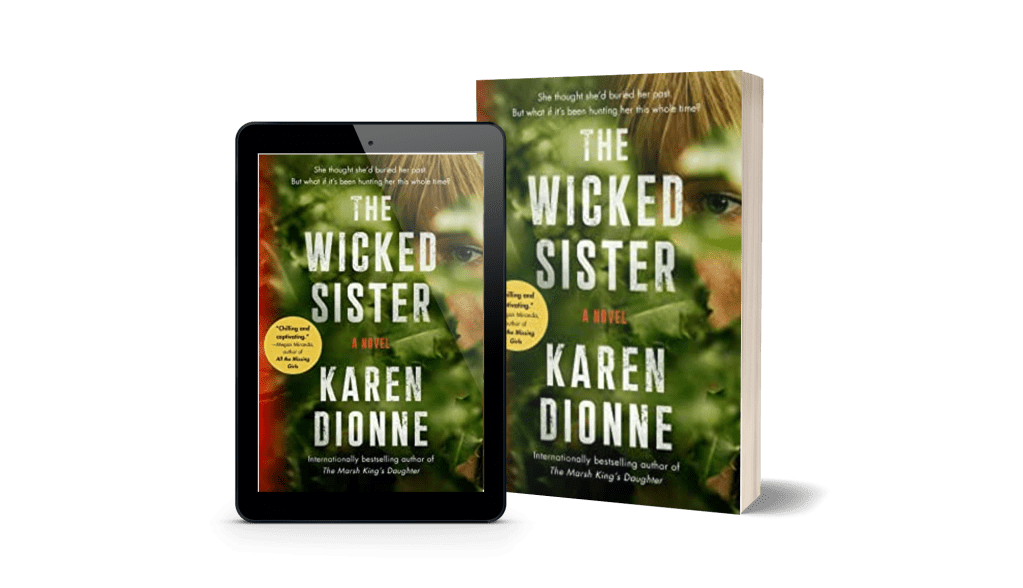
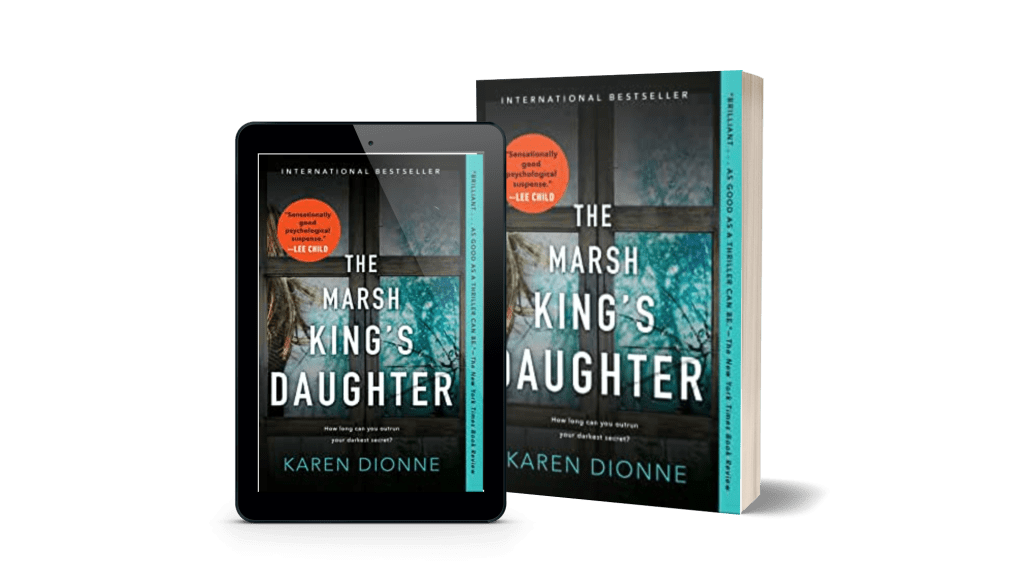

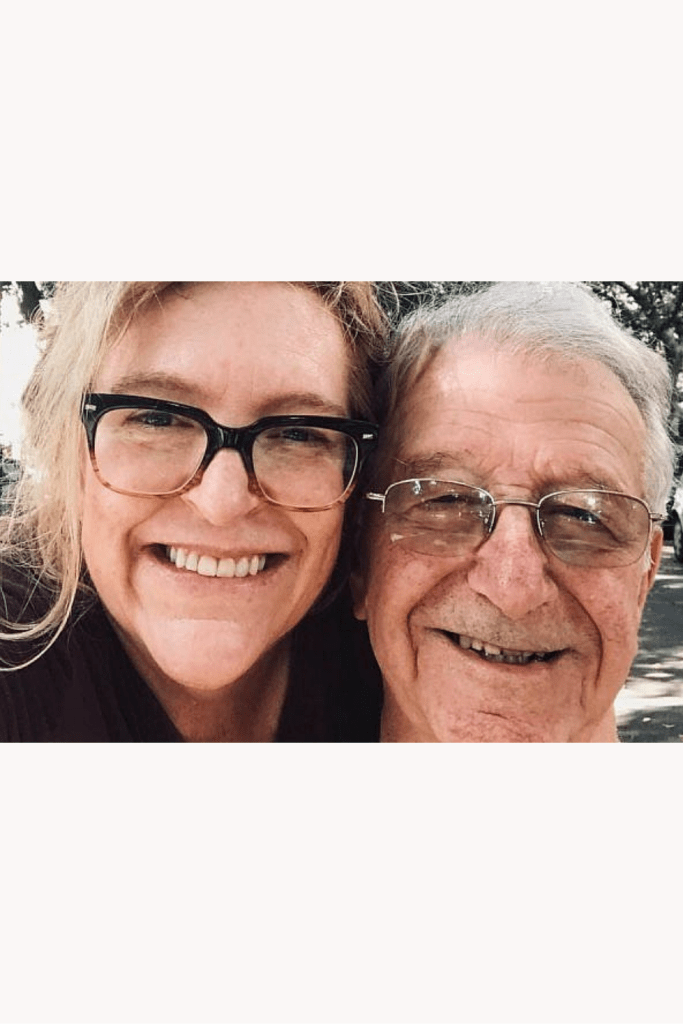


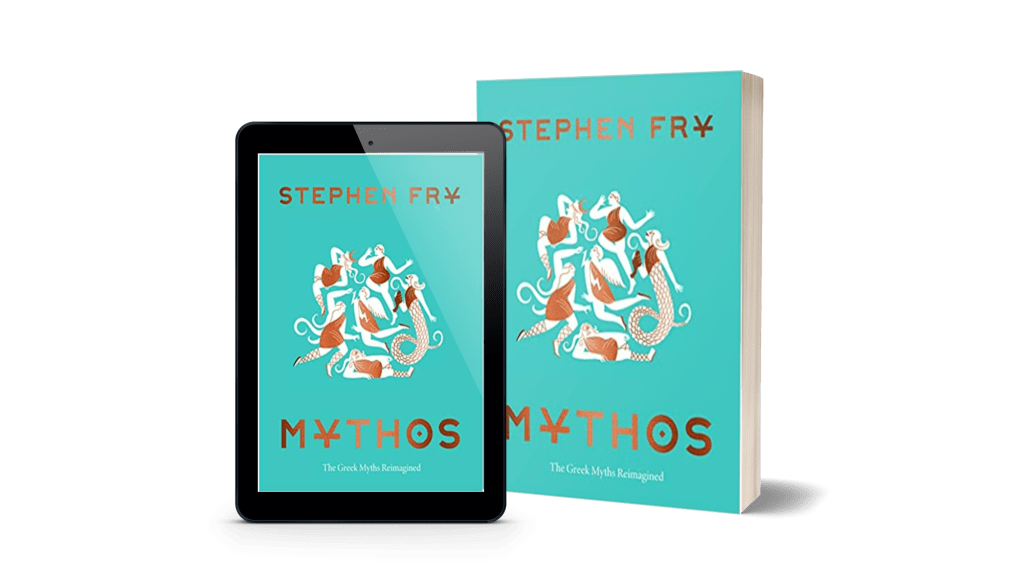
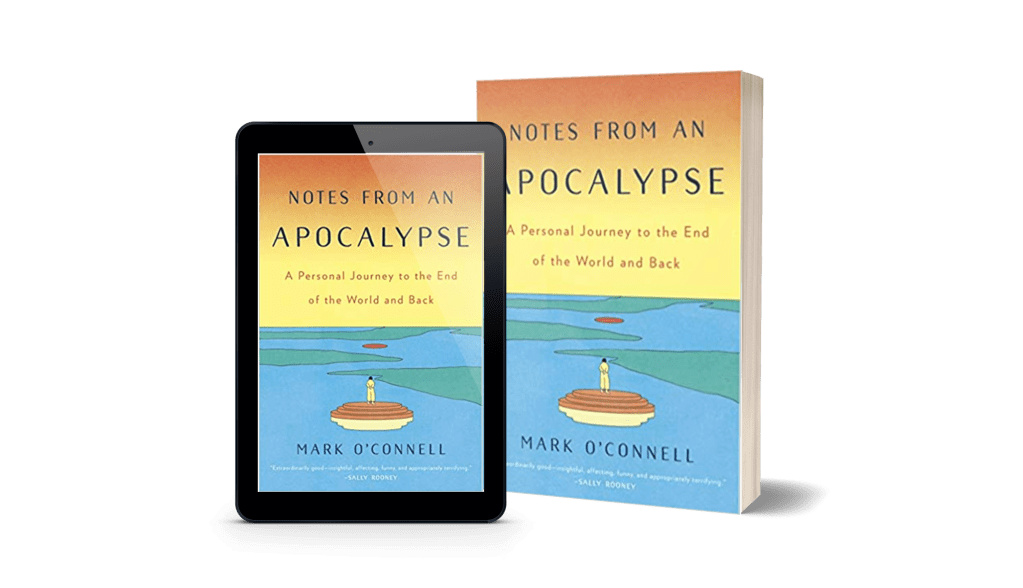
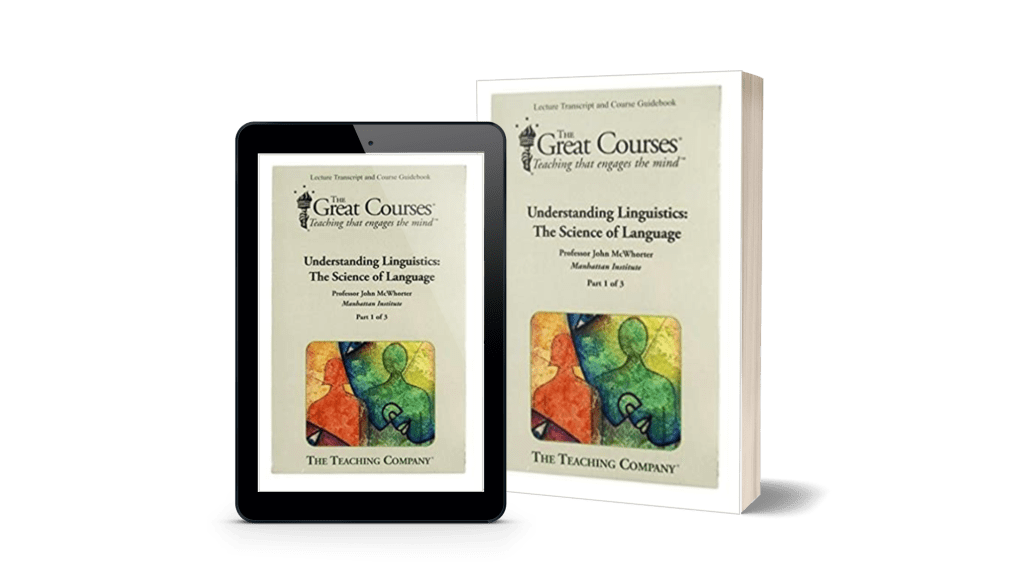
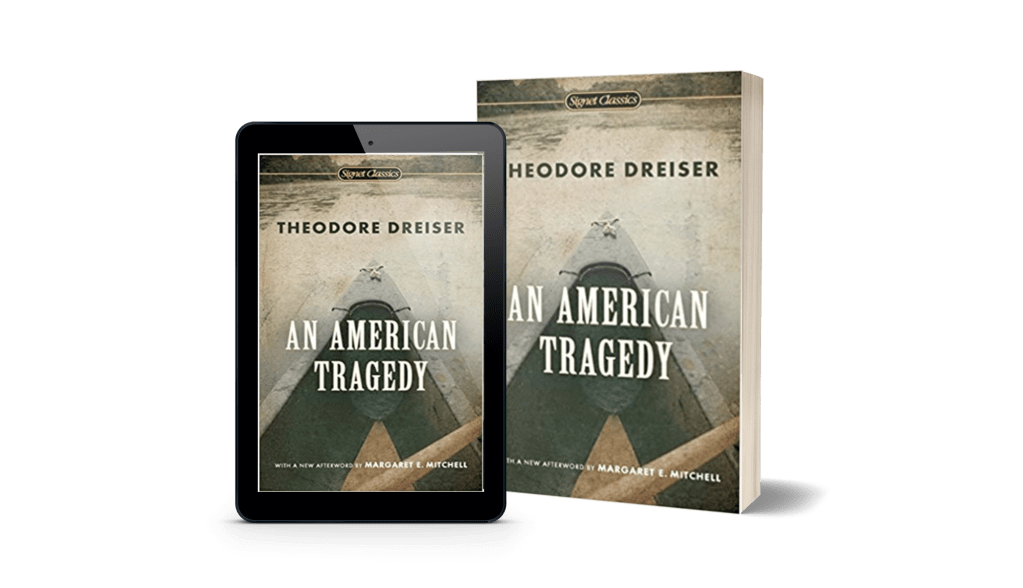
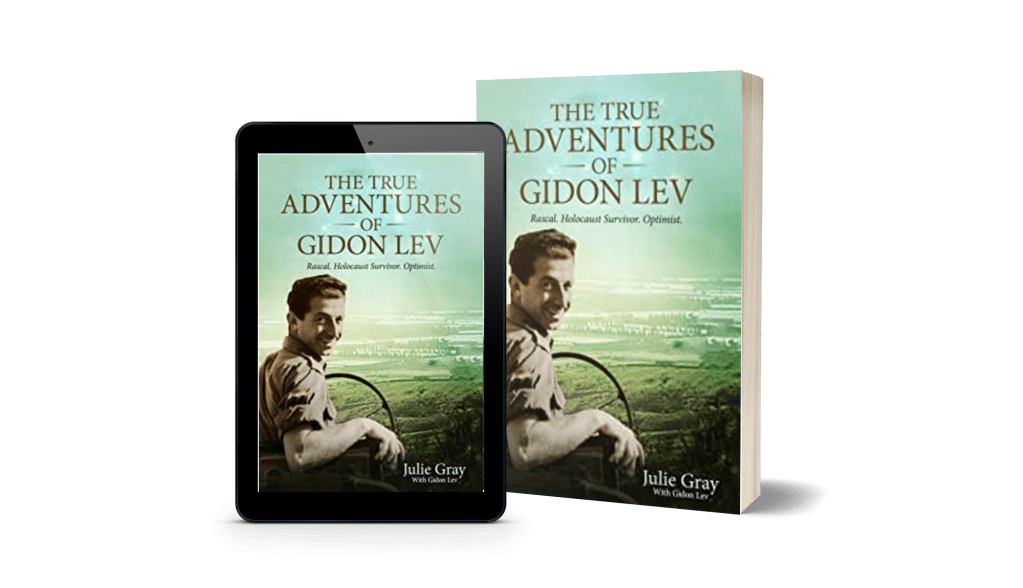
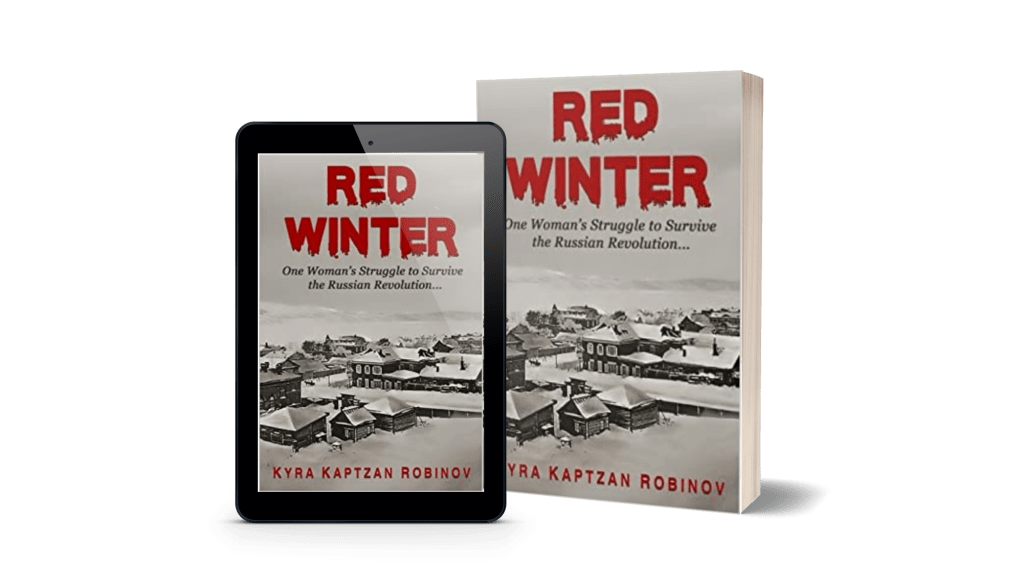

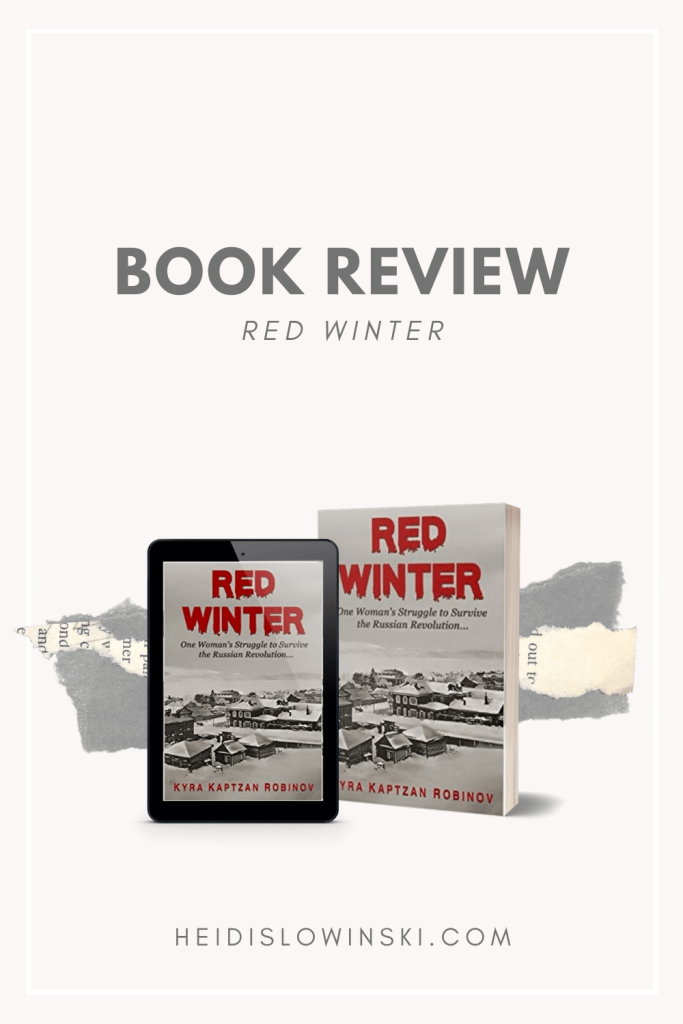
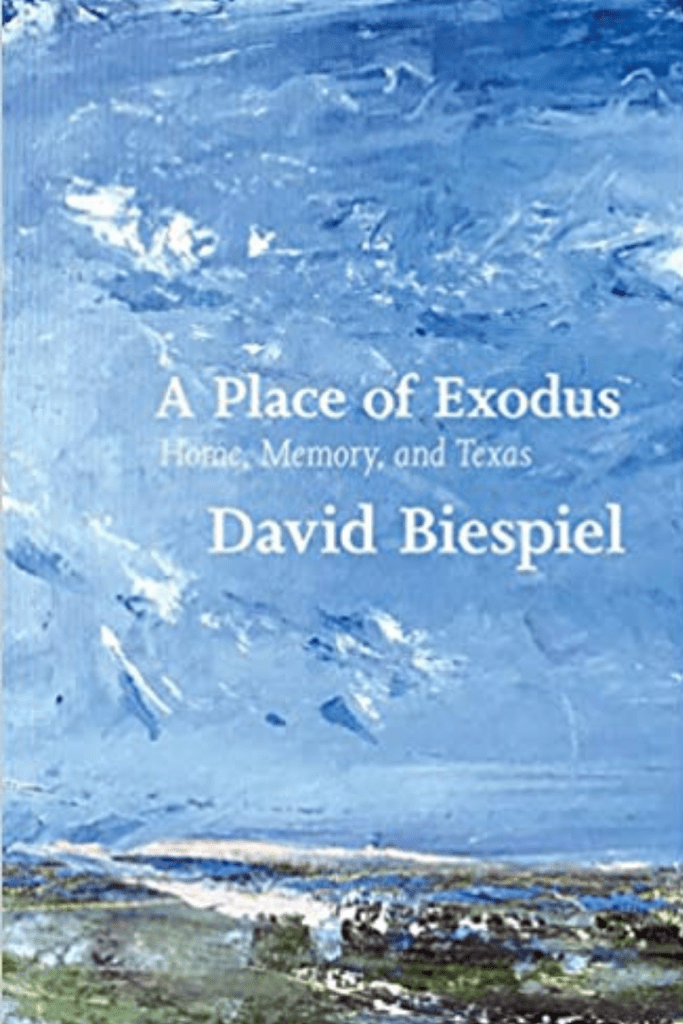




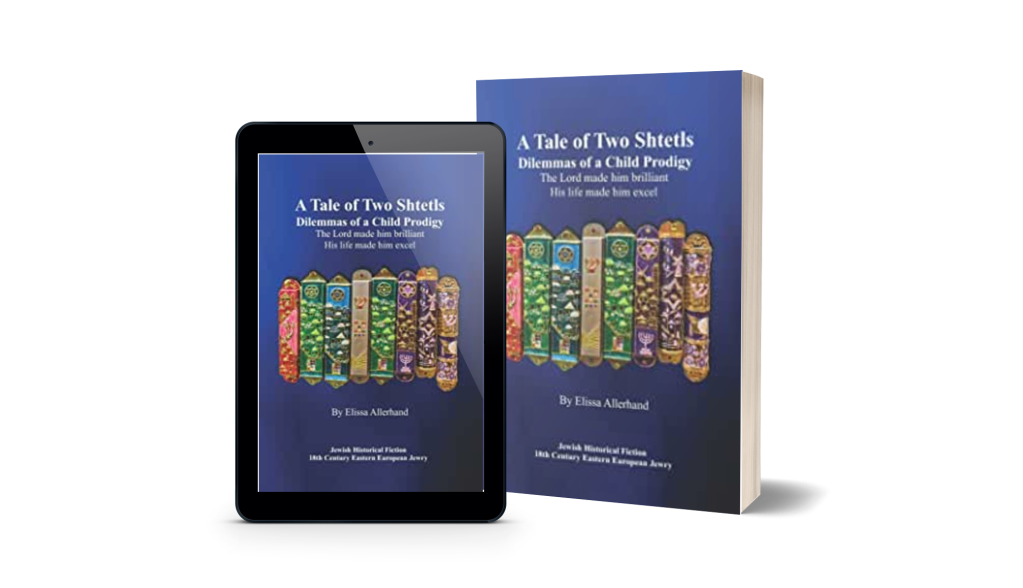

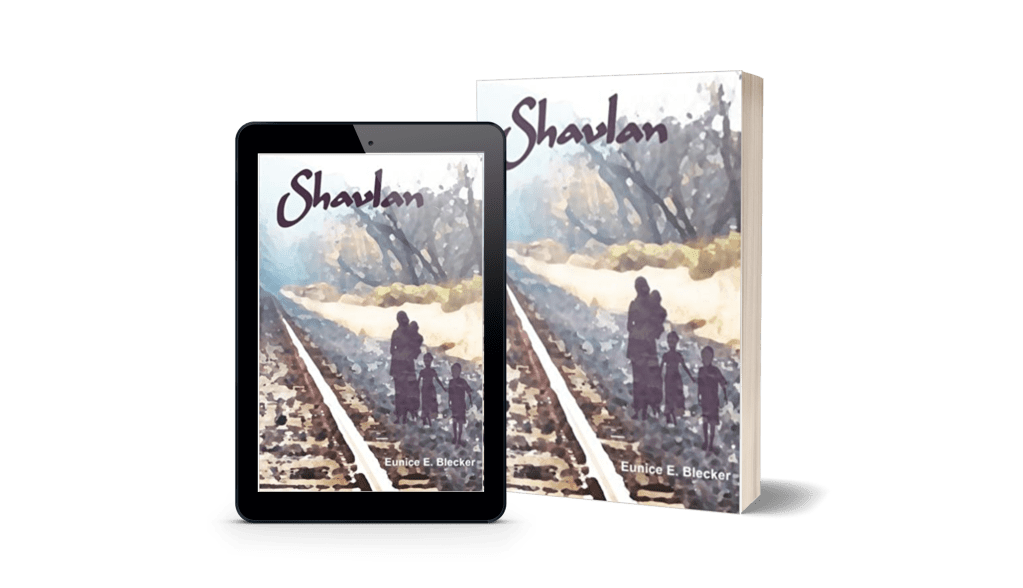
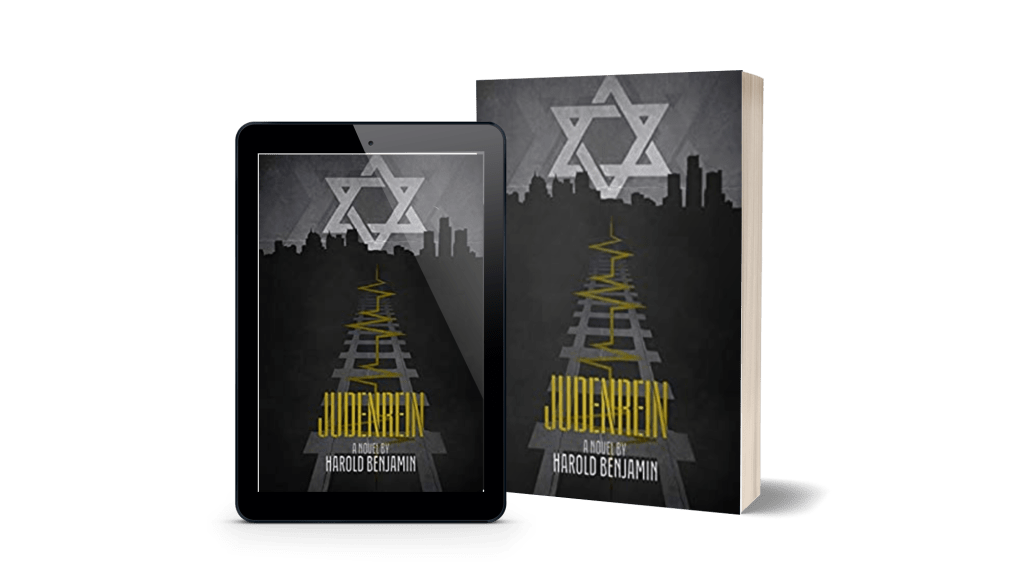

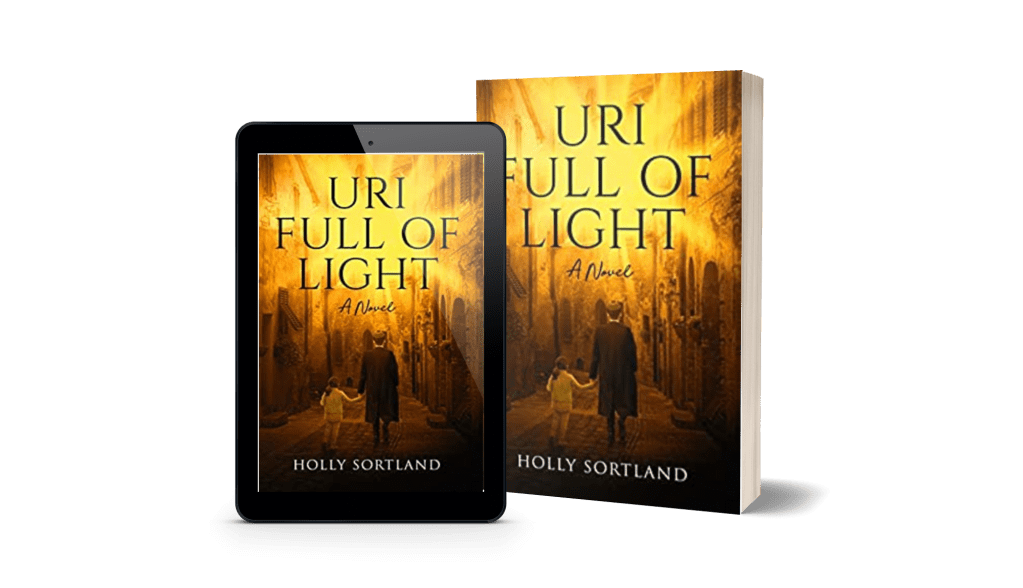


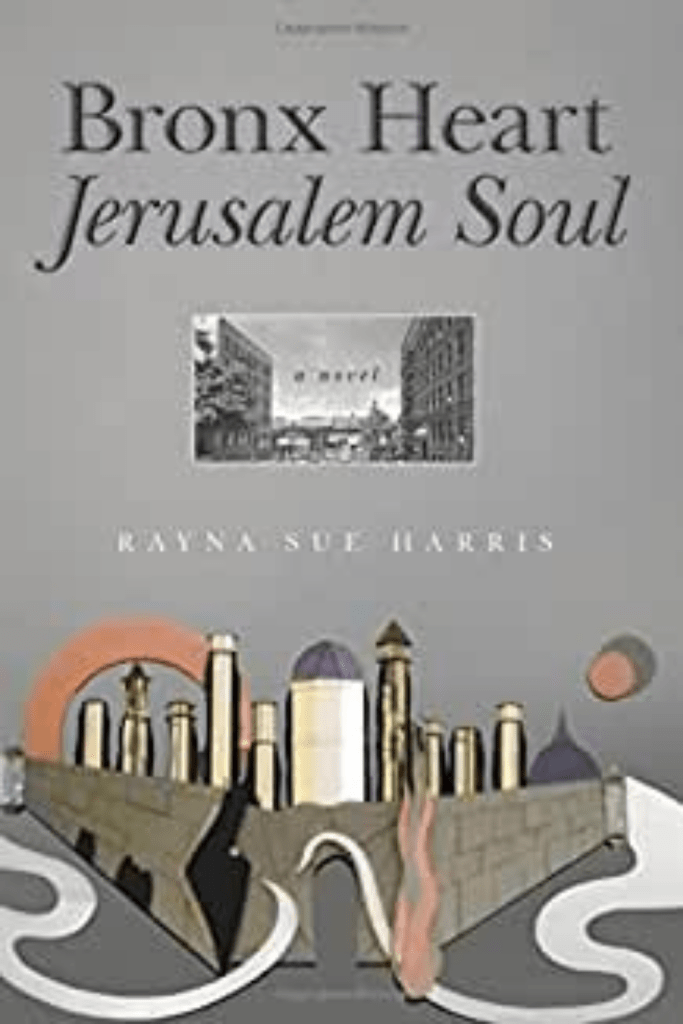

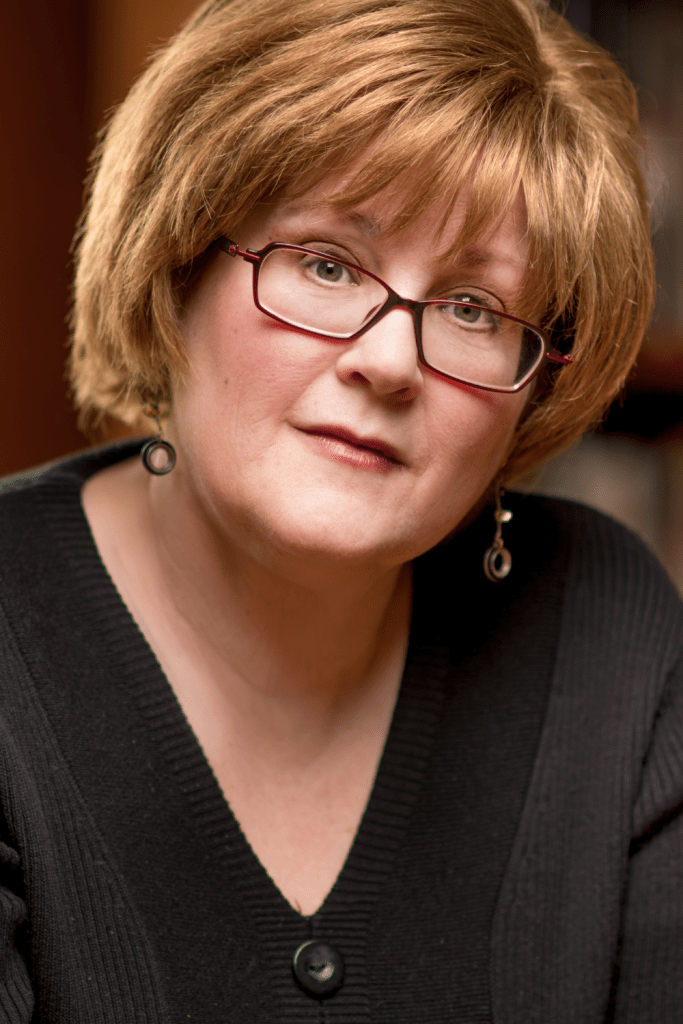
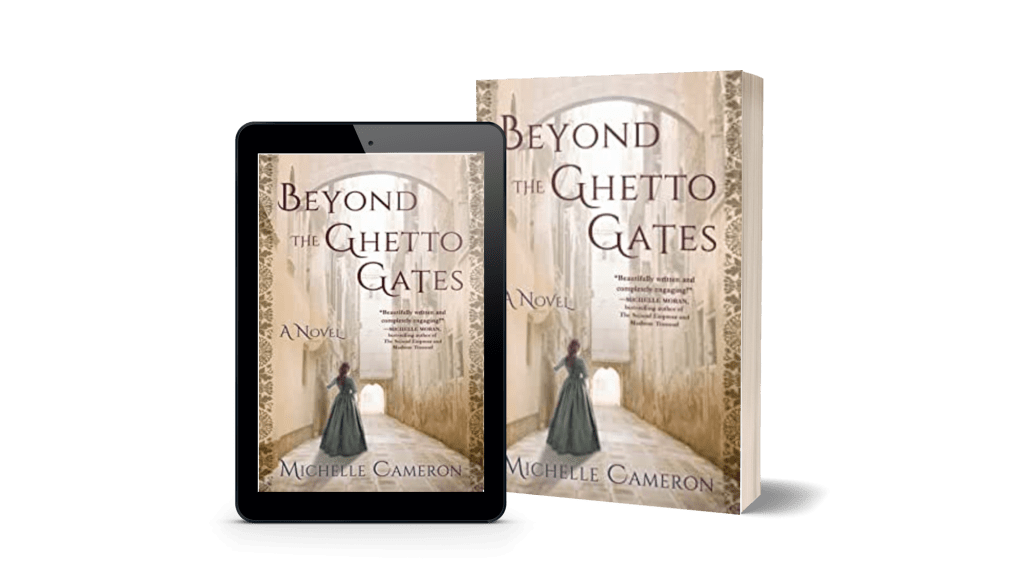
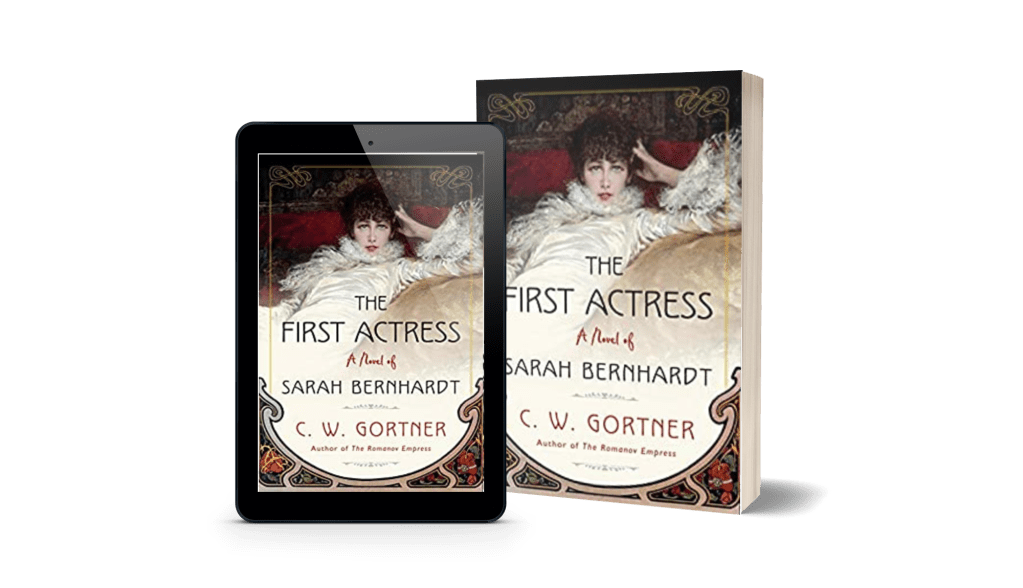
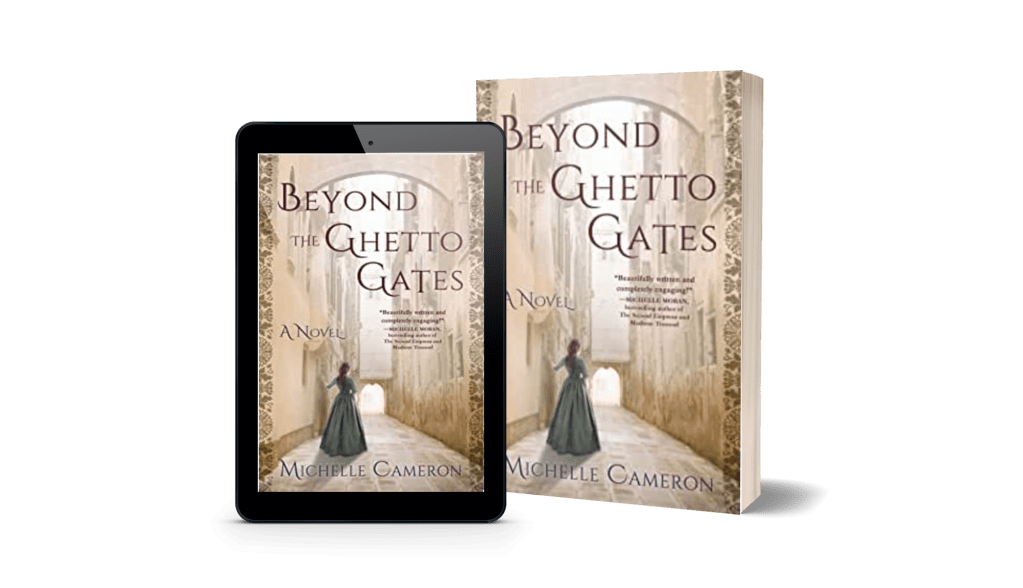




 Heidi Slowinski